
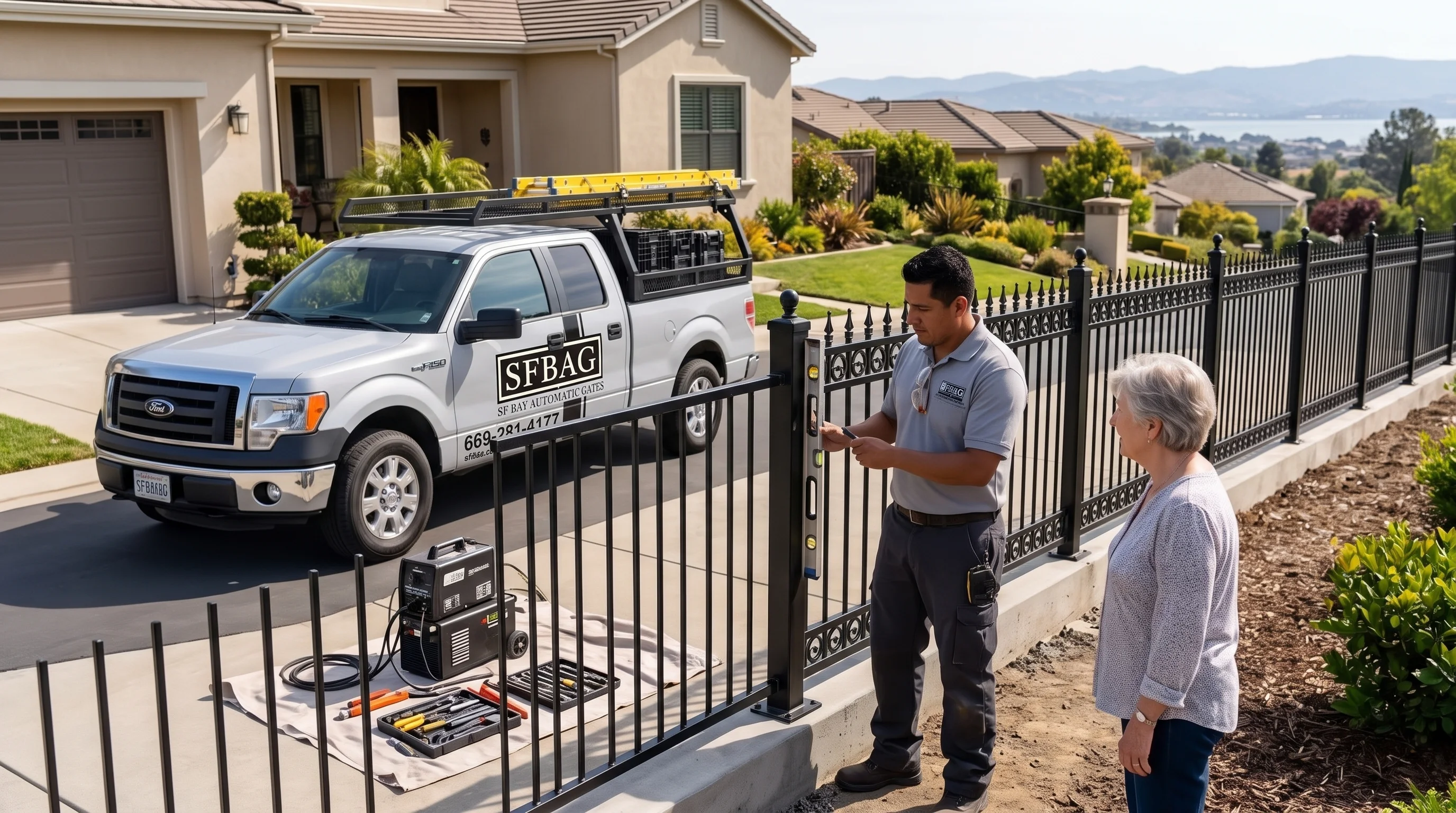
A new fence usually starts as a straightforward project: pick a style, choose a height, gather a few quotes, and hire the team that seems ready to start soonest. The problems show up later. Posts begin to lean after the first wet winter, gates stop latching, finishes flake in the sun, and a neighbor raises questions about where the line actually sits. By then the original installer may be hard to reach, and the repair work can rival what a properly built fence would have required in the first place. Across the Bay Area, where soil, weather, and local rules all put pressure on outdoor structures, the difference between a careful fence contractor and a rushed one tends to reveal itself within a few seasons rather than a few decades.
That delay is exactly what makes the decision tricky. On installation day, a poorly built fence and a well-built fence can look almost identical. The quality lives underground in post depth and footing size, inside the frame in the welds and fasteners, and in the paperwork that confirms permits, property lines, and warranties. Knowing where to look turns hiring from a guessing game into an informed choice, and it protects property owners from paying for the same fence twice.
Why the Choice of Fence Company Shapes the Life of the Fence
A fence is a structural system that has to resist wind, soil movement, moisture, and daily contact from people, pets, and vehicles. The fence company that installs it decides how every one of those forces will be handled, from how deep the holes are dug to which fasteners are used at each connection. Two installers can quote the same style and height and still deliver fences with very different lifespans, simply because one sets posts to the depth the soil demands and the other stops where the digging gets difficult. Those choices are rarely visible in a proposal, which is why the total on the quote and the look of the sample photos make poor guides on their own.
The consequences compound over time. A post that leans slightly in the first year pulls on the panels on either side, which loosens rails and stresses the gate hardware, which in turn causes the gate to sag and drag. What began as one shortcut spreads along the fence line until sections need to be rebuilt instead of repaired. A reliable fence company plans for that chain reaction from the beginning, and that planning is what keeps a fence straight, secure, and attractive long after the installation crew has left.
Hidden Costs of a Low-Quality Fence Company
The most expensive fence is often the one that has to be fixed repeatedly. Early failures lead to service calls, replacement panels, reset posts, and new hardware, and each visit disrupts the property and adds to the total investment. Warranty claims can become frustrating when the original installer disputes responsibility or has stopped operating altogether. There are indirect costs as well: a sagging fence lowers curb appeal and can affect how buyers perceive a home, a weak perimeter can expose a business to theft, and a fence built over the property line can lead to disputes that end in removal. None of these outcomes appear on the original quote, yet all of them trace back to the choice of installer.
Shallow Posts and Skipped Footings
Post setting is where many shortcuts start. Depth should be based on fence height, soil type, and expected wind load, and footings need enough concrete to anchor the post while allowing water to drain away from the base. When holes are dug too shallow or too narrow, or filled without attention to drainage, posts rock loose, rot at the ground line, or rust from standing moisture. Because the work is buried, it is nearly impossible to verify once the fence is complete, which makes asking about post depth and footing design before hiring one of the most useful questions a property owner can raise.
How Bay Area Soil Magnifies Installation Shortcuts
Much of the region sits on expansive clay that swells in the rainy season and shrinks during the long dry months. That seasonal cycle pushes and pulls on every post, and shallow footings lose that battle quickly. Hillside lots add slope and drainage challenges, while properties close to the water deal with salt air that attacks unprotected metal. An installer familiar with local conditions accounts for all of this in the design, while one who is not simply repeats a generic method that may work elsewhere but fails here.
Materials That Look Fine at First
Material shortcuts are just as common and just as hidden. Thin-gauge steel, untreated fasteners, lumber that is not rated for ground contact, and finishes applied without proper surface preparation can all look acceptable on day one. Within a year or two, rust streaks appear at joints, wood begins to split and cup, and powder coating peels where moisture has crept underneath. Asking for specific material grades, coating types, and fastener finishes in writing makes it much harder for these substitutions to slip through unnoticed. Gate hardware deserves the same attention, since light-duty hinges and latches are often paired with heavy gates simply because they were on hand, and they are usually the first components to fail once the gate begins to carry its full weight every day.
Red Flags When Comparing Fence Company Proposals
Vague proposals are the first warning sign. A quote that lists only a style, a length, and a total, without describing post spacing, post depth, footing design, material specifications, or gate hardware, leaves too much room for interpretation. Pressure to sign immediately, requests for large payments before any work begins, reluctance to provide a license number, and an absence of references are further signals that the project may not be handled carefully. A fence company that stands behind its work generally welcomes detailed questions, because those questions highlight the quality that sets it apart.
Local experience matters too. Neighborhoods in Palo Alto, for example, often combine mature trees, tight lot lines, and design expectations that call for fencing that looks refined as well as sturdy, and established root systems can complicate post placement if they are not planned for. An installer who has completed projects in similar settings will recognize those challenges during the estimate rather than discovering them halfway through the job. Photos of finished work on comparable properties, along with references from nearby clients, give a much clearer picture than online ratings alone.
Licensing, Insurance, and Permits
In California, fence and gate projects above a modest threshold must be performed by a licensed contractor, and the license can be verified through the state's contractor licensing board. Insurance protects the property owner if a worker is injured or if the crew damages utilities, landscaping, or neighboring property. Permits may be required depending on height, location, and whether the fence sits near a street, pool, or shared boundary, and the rules vary from one Bay Area city to the next. A professional installer should know which approvals apply, handle the applications, and confirm property lines before any holes are dug.
Questions to Ask Any Fence Company Before Signing
A short list of questions can reveal a great deal. How deep will the posts be set, and how will the footings drain? What gauge, grade, and finish will the materials have? What hardware will be used on gates, and can it accommodate a lock, a closer, or future automation? Who is responsible for permits and property line verification, and what does the warranty cover and for how long? Clear, confident answers show that the installer has thought through the details, while hesitation or generalities suggest the details may be decided on the fly.
It also helps to ask how the project will be managed. A reliable team should explain the timeline, how the site will be protected and cleaned, how changes will be documented, and who will be the point of contact from start to finish. Written scopes that match the verbal conversation prevent misunderstandings, and a final walkthrough confirms that gates swing and latch correctly and every section is plumb before the job is considered complete.
How the Right Fence Contractor Protects Long-Term Value
A fence built well from the start rarely demands attention. Posts stay plumb, panels stay aligned, gates continue to latch, and finishes hold up against sun, rain, and fog. That reliability is worth far more than any short-term savings from a rushed installation, because it eliminates repeat repairs and preserves the appearance and security of the property. For homes and businesses across the San Francisco Bay Area and San Jose, where outdoor structures face a demanding mix of conditions, the right choice pays off quietly year after year.
Taking the time to compare proposals carefully, verify credentials, and ask about the parts of the project that will be buried or hidden makes all the difference. Property owners who approach the decision this way avoid the most common and most costly mistakes, and they end up with a fence that looks as good in ten years as it does on the day it is finished. Starting that process with a trusted fence contractor is the surest way to protect both the investment and the property it surrounds.