
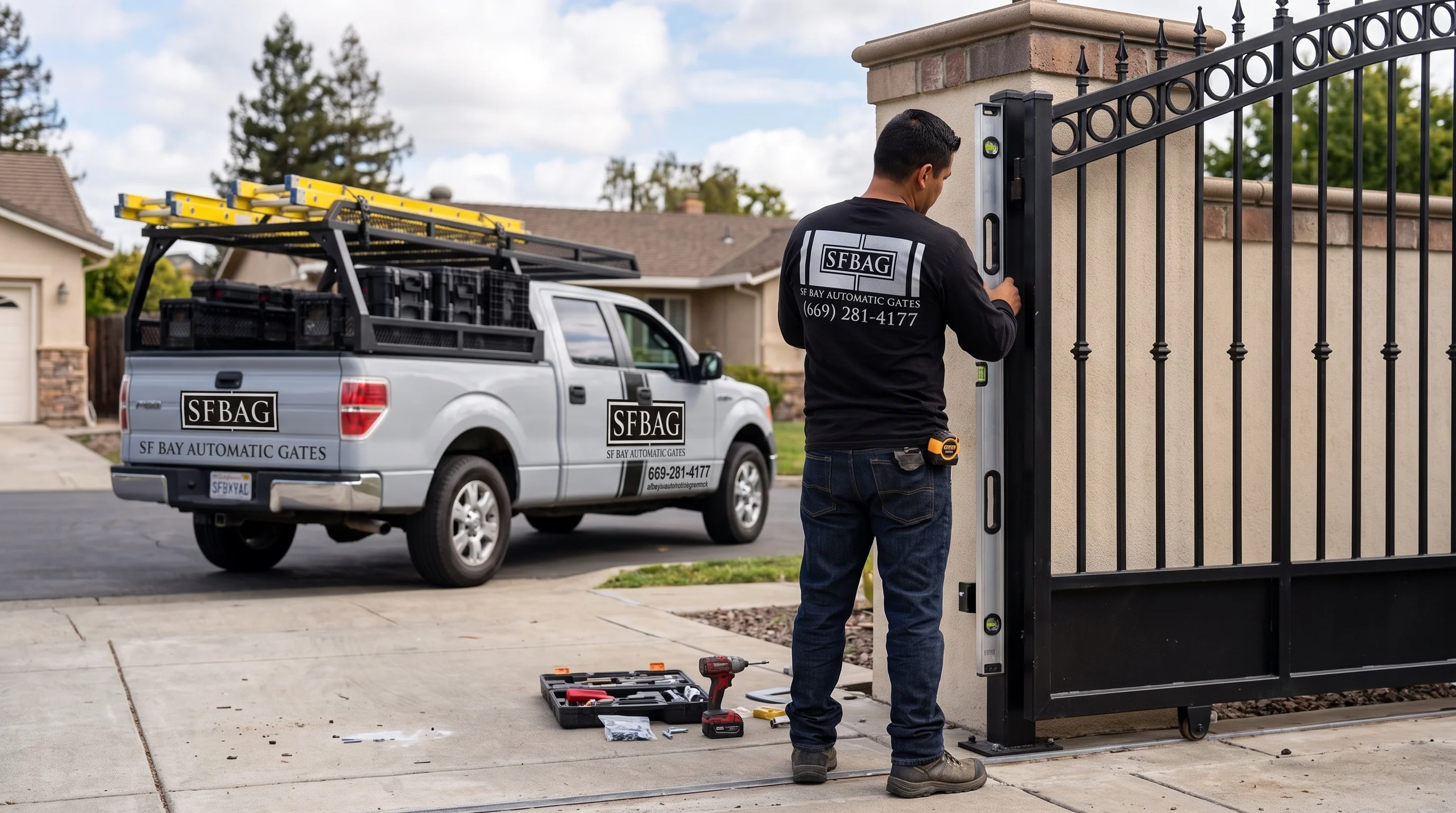
A new gate is only as reliable as the contractor who plans and installs it. Even a well-designed gate made from quality materials can become a source of frustration if it is installed on undersized footings, wired without proper protection, left without required safety devices, or built without the permits and emergency access features local authorities expect. These problems often stay hidden until the gate begins to sag, malfunction, or fail an inspection, and by then correcting them can mean reopening finished work. For property owners in Marin County, evaluating contractors carefully before signing is the most effective way to protect the entrance, and the investment, from the start. Reviewing how each candidate approaches automatic gate installation reveals far more than comparing photos or bottom-line numbers.
Evaluating a gate company in San Rafael, CA involves checking credentials, studying proposals, understanding the process, and confirming the support offered after installation. Each step helps separate experienced professionals from contractors who may cut corners, and together they give property owners a clear basis for a confident decision.
Why the Contractor Matters as Much as the Gate
An automated gate combines structural, mechanical, and electrical work. Posts and footings must carry heavy loads, the gate must hang square and move freely, the operator must be sized correctly, wiring must be protected from moisture, and safety devices must be installed and adjusted to recognized standards. A contractor who is strong in one area but weak in another can deliver a system that looks finished but performs poorly. Because many of these elements are buried or hidden inside enclosures, property owners rarely see the shortcuts until problems appear.
Local conditions raise the stakes. Hillside driveways, damp winters, salt air near the bay, wooded lots, and fire-season concerns all affect how a gate should be designed and installed in Marin. A contractor unfamiliar with these conditions may repeat methods that work elsewhere but fall short here, leading to corrosion, leaning posts, and operators that struggle on sloped driveways.
Licensing, Insurance, and Workers' Compensation
In California, gate and fencing work above a modest threshold must be performed by a licensed contractor, and electrical work for automated gates must also be performed by properly licensed professionals. Licenses can be verified through the state contractor licensing board, which also shows the license classification and any history of complaints. General liability insurance protects the property owner if the crew damages utilities, landscaping, paving, or neighboring property, and workers' compensation coverage protects against liability if a worker is injured on site. Requesting certificates of insurance and confirming they are current is a simple step that prevents serious risk.
Permits and Emergency Access Requirements
Automated gates may require building, electrical, or planning permits, depending on height, location, and the scope of electrical work. Fire authorities in Marin commonly require a way for emergency responders to open gated driveways, and properties in wildland interface areas may face additional expectations. A qualified contractor should know which approvals apply, handle the applications, and include the required emergency access devices in the design. A contractor who suggests skipping permits to save time is creating risk that may surface during a property sale, an insurance claim, or an emergency.
Who Will Actually Do the Work
Some companies use their own trained crews for fabrication, installation, and electrical work, while others subcontract portions of the project. Subcontracting is not necessarily a problem, but property owners deserve to know who will be on site, how the work will be supervised, and who is accountable if something goes wrong. Clear answers on this point prevent confusion and finger-pointing later in the project.
How to Read a Gate Proposal
A detailed proposal reflects a contractor who has thought through the project. The best proposals describe the gate's dimensions, materials, and finishes; the type and capacity of the operator; the footing and post design; power supply, conduit, and wiring; safety devices; access control equipment; emergency access provisions; permits; site restoration; and warranty terms. When these details are missing, comparing proposals becomes guesswork, and substitutions can occur without the owner's knowledge.
Payment terms and timelines deserve attention as well. Payments tied to clear milestones, such as design approval, material delivery, installation, and final testing, protect both parties better than large upfront deposits. Realistic timelines account for permit review, fabrication, finishing, weather, and electrical work. A contractor promising unusually fast completion without explaining how may be underestimating the work or planning to skip steps that matter for long-term reliability.
The Site Visit Sets the Tone
How a contractor approaches the first visit is a preview of how the project will be managed. A thorough assessment includes measuring the opening, evaluating slope and drainage, locating the power source and underground utilities, noting trees and roots, discussing how the gate will be used, and identifying safety and access needs. In San Rafael, where properties range from steep, shaded lots in Terra Linda and the hills above downtown to waterfront homes near Peacock Gap and the Canal area, a contractor who asks about drainage, corrosion, wind exposure, and fire access is demonstrating real local knowledge.
Red Flags That Suggest the Wrong Contractor
Certain warning signs appear repeatedly. Pressure to sign immediately, vague proposals, requests for large cash payments, reluctance to provide a license number or insurance documents, unwillingness to pull permits, and an absence of local references all suggest a contractor who may not deliver. Proposals that recommend a light-duty operator for a heavy gate, omit safety devices, or ignore emergency access requirements should also raise concern. Comparing several proposals side by side often makes these differences obvious within minutes. Unusually low proposals deserve particular scrutiny, since the savings frequently come from lighter materials, shallower footings, undersized operators, missing safety devices, or skipped permits, all of which cost far more to correct once the gate is in place and the driveway has been finished around it.
References, Reviews, and Completed Work
Online reviews offer a starting point, but patterns matter more than individual comments. Consistent mentions of clear communication, clean job sites, and responsive service are positive signs, while repeated complaints about delays, unreturned calls, or unresolved problems deserve attention. Speaking with past clients and viewing gates that have been in service for several years provides the most reliable evidence of quality, since problems with footings, finishes, and operators often take time to appear.
Questions Worth Asking Before Signing
A short list of questions brings the most important details into the open. How deep will the footings be, and how will slope and drainage be handled? What operator capacity is recommended for the gate's weight and daily use, and why? Which safety devices will be installed, and how will they be tested? Who is responsible for permits and emergency access devices? How will the site be protected and restored, and who will be the point of contact throughout the project? Contractors with real experience answer these questions specifically and confidently, often adding details the owner did not think to ask about. Hesitation, generalities, or attempts to steer the conversation back to appearance alone are reasons to keep looking.
Safety Testing and Documentation at Handover
The end of the project should include more than a quick demonstration. A professional contractor tests every safety device, confirms that the gate stops and reverses correctly, verifies force and limit settings, and checks that warning signage is in place. Owners should receive documentation covering the equipment installed, warranty terms, maintenance recommendations, and instructions for manual release. This record makes future service easier and provides evidence that the system was installed correctly if questions arise during a sale or an inspection.
Support After Installation
The relationship with a gate contractor does not end when the gate is first operated. A thorough final walkthrough should demonstrate daily operation, manual release, and access control settings. Written warranties should clearly define coverage for the gate, operator, electronics, finishes, and workmanship. Local service availability determines how quickly adjustments and repairs can be made, and maintenance programs help keep the system reliable through Marin's wet winters and dry fire seasons alike.
Choosing a Contractor With Confidence
Evaluating a gate company in San Rafael, CA takes some effort, but that effort pays off in an entrance that is safe, secure, compliant, and dependable. Property owners throughout Marin County and the wider Bay Area who verify credentials, study proposals, ask detailed questions, and confirm long-term support avoid the most common and costly mistakes. The right contractor will welcome that scrutiny because it highlights the quality of their work. Taking a few extra days to compare candidates is a small investment next to the years a well-built gate will serve the property, and it is far easier than correcting buried footings, rerouting wiring, or adding missing safety and emergency access devices after the driveway, landscaping, and finishes are already complete.
The wrong contractor can compromise an entrance in ways that are not visible on day one, but careful evaluation prevents that outcome. For property owners ready to compare options, starting with a consultation focused on professional automatic gate installation is the surest way to find a partner who will build the entrance correctly the first time.