
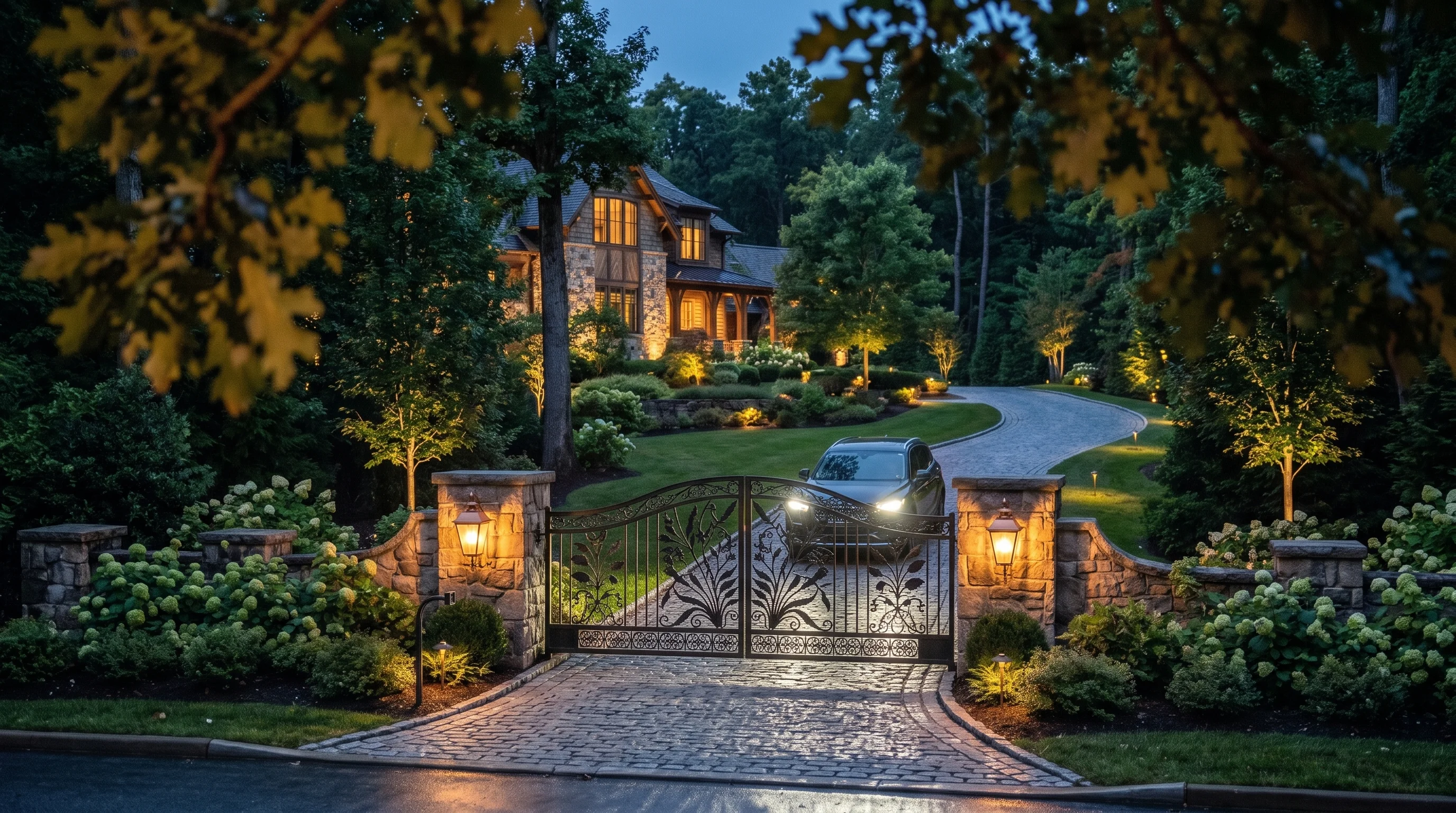
A well-chosen driveway gate does something most property upgrades cannot: it solves two problems at once. Privacy and curb appeal are often treated as competing priorities, but the right gate design reconciles them effortlessly. Across the SF Bay region, homeowners are discovering that a thoughtfully designed entrance gate can shield a property from outside view while simultaneously elevating its visual presence from the street.
Understanding how that balance works, and what factors drive it, helps property owners make smarter decisions before committing to an installation.
Why Privacy Matters More Than Ever for SF Bay Homeowners
The SF Bay Area is one of the most densely developed regions in California. Neighborhoods in cities like Berkeley, Oakland, Palo Alto, and Antioch often feature homes positioned close to busy streets or shared driveways. That proximity means foot traffic, vehicle headlights, and curious passersby can easily disrupt the sense of seclusion that makes a home feel like a retreat.
A driveway gate addresses this directly. Solid panel designs in wood or powder-coated steel block sightlines from the street, while taller gate heights prevent anyone from seeing over the top. Even semi-open designs with decorative ironwork can reduce visibility significantly, depending on picket spacing and overall height.
Privacy, in this context, is not just about blocking views. It is also about controlling who approaches the home at all. A closed gate signals that the property is not open to casual entry, which discourages door-to-door solicitors, trespassers, and vehicles that might otherwise use the driveway to turn. For families in fast-growing SF Bay communities like Antioch, where security-focused gate solutions for growing neighborhoods have become increasingly relevant, that layer of access control carries real daily value.
Driveway Gate Styles That Preserve Curb Appeal
The concern many homeowners voice before installing a gate is aesthetic: will it make the property look closed off or institutional? That concern is understandable, but it misreads how gate design actually functions when done well.
Curb appeal is built on proportion, material quality, and visual coherence. A gate that matches the architectural character of the home and the surrounding landscape will enhance the streetscape rather than disrupt it. Several design approaches are particularly effective in the SF Bay region:
Ornamental Iron with Decorative Panels Custom iron gates with scrollwork or geometric detailing add visual richness to the entrance. The open structure allows light and air to pass through while the height and framing still create a strong sense of enclosure. Properties in areas like Atherton and Hillsborough, where luxury estate gate design is a priority, frequently use this approach.
Wood and Iron Combinations Mixing warm wood infill panels with a steel frame creates a gate that reads as both modern and natural. This style suits craftsman bungalows, mid-century properties, and contemporary homes equally well. The wood panels provide solid privacy coverage, while the iron frame gives structural integrity and a refined outline.
Aluminum Frames with Frosted or Solid Panels For contemporary homes with clean architectural lines, aluminum gates with flat panel inserts offer a sleek, low-maintenance option. The finish can be powder-coated in virtually any color, allowing the gate to coordinate with the facade rather than contrast with it.
Sliding Gates for Narrow Entries On properties where driveway width limits the swing radius, a sliding gate solves the functional problem without sacrificing style. Sliding designs are available in all the same material and finish options as swing gates, making them equally capable of supporting curb appeal goals.
How Gate Height and Infill Density Affect the Privacy-Appeal Balance
Two technical variables determine how much privacy a gate actually provides: its height and the density of its infill panels. These same variables also affect how the gate reads from the street.
A gate that is too short will fail to block sightlines even if the panels are solid. In most SF Bay residential settings, a height between five and seven feet strikes the right balance, tall enough to limit visibility from vehicles and pedestrians, but proportionate enough not to overwhelm a standard residential entrance.
Infill density refers to how much of the gate surface is solid versus open. A fully solid gate provides maximum privacy but can look heavy or imposing if the surrounding landscaping and architecture do not support that mass. A gate with 60 to 80 percent solid coverage, achieved through close-spaced pickets or partial panel infill, often achieves better visual balance while still limiting sightlines substantially.
Working with a fabricator who understands both the structural and aesthetic implications of these choices is important. The driveway gate options available across the SF Bay Area span a wide range of materials and configurations, and the right combination depends on the specific property, its architecture, and the surrounding neighborhood character.
Landscaping as a Complement to Gate Privacy
A gate does not have to carry the full privacy burden alone. Strategic landscaping works alongside an entrance gate to soften its appearance from the street and reinforce the sense of enclosure from inside the property.
Tall hedges or columnar trees planted alongside the gate posts extend the visual barrier beyond the gate itself, filling in the gaps at the sides of the entrance. Low ornamental plantings at the base of the gate add color and texture that make the entire entrance feel intentional rather than purely functional.
In coastal SF Bay communities like Pacifica and Alameda, where salt air and wind affect plant selection, the landscaping choices need to account for climate as much as aesthetics. Native or drought-tolerant species that thrive in the local microclimate tend to establish faster and require less maintenance, making them practical partners for a gate installation.
Automation and the Modern Driveway Gate
Privacy is not just a physical condition. It is also a behavioral one. An automated gate that closes reliably after every entry is more effective than a manual gate that gets left open out of convenience. Automation removes that variable entirely.
Modern gate openers can be integrated with smartphone apps, keypads, intercoms, and video cameras. That combination means residents can see who is at the entrance before opening the gate, communicate with visitors remotely, and grant access without leaving the house. For SF Bay homeowners who travel frequently or work from home, that level of control adds meaningful daily convenience alongside the privacy benefit.
Automation also supports the curb appeal goal. A gate that opens and closes smoothly, quietly, and on command reads as a premium feature rather than an obstacle. It signals that the property is well-maintained and thoughtfully equipped, which contributes positively to the overall impression the entrance makes.
Choosing the Right Gate for SF Bay Conditions
The SF Bay Area encompasses a wide range of microclimates, from the foggy coastal zones of Pacifica and Alameda to the warm, dry inland areas of Gilroy and Antioch. Gate materials need to be selected with those conditions in mind.
Marine-grade stainless steel or properly sealed aluminum performs best in coastal zones where salt air accelerates corrosion. Powder-coated steel or wrought iron with a quality primer and topcoat is appropriate for most inland SF Bay neighborhoods. Wood gates in coastal areas require more frequent maintenance to prevent warping and moisture damage, though they remain a popular choice for their natural appearance.
For properties in areas with specific environmental challenges, consulting a fabricator who works regularly in the SF Bay region ensures the material recommendation reflects real-world performance rather than general industry guidance. Exploring the full range of automatic gate and fencing services available across Silicon Valley and the broader SF Bay Area is a useful starting point for understanding what options are available and how they apply to different property types.
The Long-Term Value of Getting the Design Right
A driveway gate is a long-term investment. The decisions made at the design stage, material, height, infill density, finish, and automation, determine how well the gate performs over years of daily use and seasonal weather exposure.
Getting those decisions right from the start avoids the cost and disruption of replacing or significantly modifying a gate that does not meet expectations. It also ensures that the privacy benefit and the curb appeal contribution are both realized from day one, rather than compromised by a design that prioritized one at the expense of the other.
Across the SF Bay region, property owners who treat the entrance gate as an integrated design element, rather than an afterthought bolted onto the end of a renovation project, consistently achieve better outcomes. The gate becomes part of what the property communicates to the street: that the home is secure, well-considered, and worth protecting.