
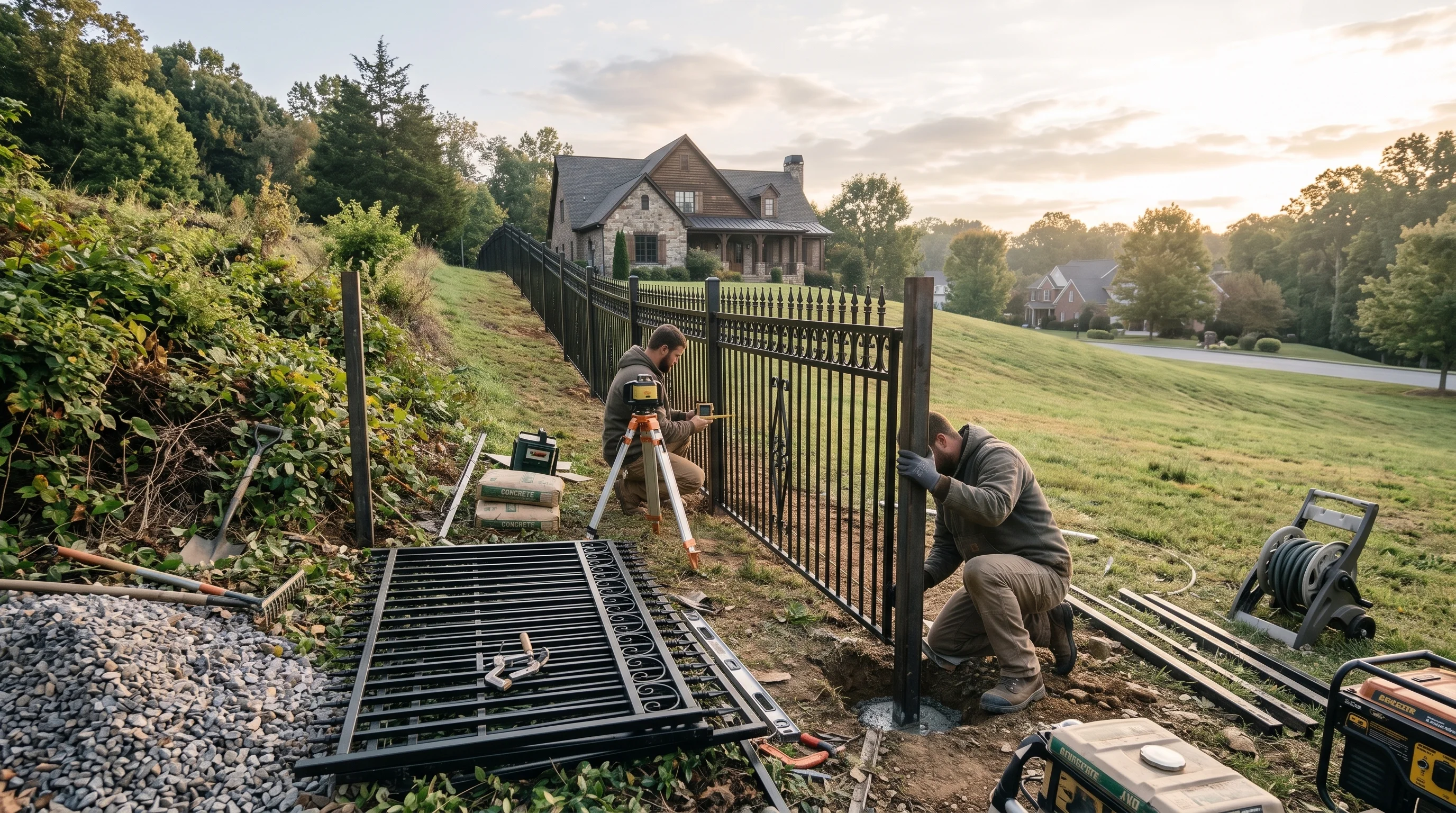
When it comes to protecting a home or business in the SF Bay Area, few investments carry as much practical weight as a well-built fence. A qualified fence contractor brings more than tools and materials to the job. The right professional understands soil conditions, local zoning requirements, material performance in coastal and inland climates, and how to design a perimeter that actually holds up over time. For property owners across the SF Bay region, that expertise can mean the difference between a fence that lasts a decade and one that warrants repairs within a year.
What a Fence Contractor Actually Does for Your Property
The role of a fencing professional extends well beyond digging post holes and stringing panels. A skilled fence contractor evaluates the entire perimeter of a property, identifies weak points, accounts for grade changes and drainage, and selects materials suited to the specific environment. In the SF Bay Area, that environment varies considerably. Coastal communities like Alameda and Foster City deal with salt air and marine moisture, while inland neighborhoods in Antioch or Clayton contend with heat, dust, and UV exposure.
Choosing a fencing professional who understands these regional differences is essential. For example, properties near the water benefit from aluminum or marine-grade steel, while wood fencing may be more appropriate for shaded, lower-humidity lots in hillside communities. Homeowners in Alameda can explore coastal-ready fencing and gate solutions for island living to understand what material choices make sense for their specific conditions.
Fence Contractor Services That Go Beyond Basic Installation
A comprehensive fencing service covers far more than new installations. Property owners often need repairs to existing structures, reinforcement of aging posts, replacement of damaged panels, or upgrades to access points. In commercial settings, fencing also needs to integrate with security cameras, lighting systems, and gate operators.
Across the SF Bay Area, properties range from Victorian-era residential lots to modern industrial facilities, and each type demands a different fencing approach. A reliable fence contractor assesses not just what a property needs today, but what it will need over the next several years. That forward-looking approach reduces the likelihood of emergency repairs and keeps total ownership costs lower.
For those interested in the full range of residential and commercial fencing and gate solutions available throughout the region, the expert automatic gate and fencing services page provides a useful overview of what professional-grade service looks like.
Material Choices That a Fence Contractor Should Discuss With You
One of the most important conversations a property owner can have with a fencing professional involves material selection. Each option carries trade-offs in cost, maintenance, longevity, and appearance.
Iron and steel offer exceptional strength and a classic look that suits both historic and contemporary properties. They require periodic treatment to prevent rust, particularly in humid SF Bay microclimates.
Aluminum provides corrosion resistance without the weight of steel. It performs well in coastal zones throughout the SF Bay Area and requires minimal maintenance.
Wood remains a popular choice for residential properties seeking a warm, natural aesthetic. Cedar and redwood hold up better in damp conditions than pine, but all wood fencing benefits from regular sealing and inspection.
Vinyl and composite materials offer low maintenance and consistent appearance over time, though they may not suit every architectural style found across SF Bay neighborhoods.
A knowledgeable fence contractor will present these options clearly, explain how each material performs in the local climate, and help property owners make informed decisions rather than defaulting to the cheapest available option.
Why Local Knowledge Matters
When Hiring a Fencing Professional
The SF Bay Area is not a single environment. It is a collection of distinct microclimates, soil types, and neighborhood aesthetics that demand localized expertise. A fencing professional familiar with SF Bay conditions understands that a fence installed near the lagoon in Foster City needs different hardware than one built in a dry, sunny corridor further inland. Properties in Foster City's waterfront neighborhoods require corrosion-aware materials and sealed components that stand up to bay breezes and moisture.
Similarly, urban properties in San Francisco deal with narrow lots, strict permit requirements, and architectural review boards that govern exterior modifications. Fencing in those settings requires a contractor who can navigate municipal codes while delivering a result that satisfies both the homeowner and local regulations. Exploring the security-first gate and fencing options available for San Francisco properties illustrates how professional service adapts to the city's specific demands.
How Fence Installation Connects to Gate Systems and Overall Security
Fencing rarely exists in isolation. In most residential and commercial properties across the SF Bay Area, a fence works alongside a gate system to create a complete perimeter. When a fence contractor designs an enclosure, the placement and reinforcement of gate posts, the type of latch hardware, and the integration of automation all factor into the final outcome.
This is especially true for driveways and main entry points, where a well-anchored fence line supports the structural integrity of an automated gate. Misaligned posts or improperly set concrete footings can cause gate operators to work harder, wear out faster, and eventually fail. A fence contractor who coordinates with gate installation specialists ensures that the two systems work together rather than against each other.
For SF Bay homeowners considering both fencing and gate upgrades simultaneously, reviewing the full scope of professional fence contractor services available in the region is a practical starting point.
Signs That a Property Needs a Fence Contractor's Attention
Not every fencing situation involves new construction. Many properties across the SF Bay Area have existing fences that have deteriorated quietly over time. Knowing when to call a fencing professional can prevent minor issues from becoming expensive structural failures.
Common warning signs include:
- Posts that lean or shift when pressure is appliedCommon warning signs include:
- Posts that lean or shift when pressure is applied
- Panels that rattle, warp, or separate from their frames
- Rust stains spreading from fasteners or hinges
- Wood that shows signs of rot at the base or along horizontal rails
- Gaps forming between panels or at ground level
- Gate hardware that no longer aligns properly with the fence line
Any of these conditions signals that a professional evaluation is overdue. In the SF Bay Area, where moisture levels and temperature swings vary significantly by location, fencing materials can degrade faster than owners expect, particularly when original installation did not account for local conditions.
Choosing the Right Fence Contractor in the SF Bay Area
With so many fencing companies operating throughout the SF Bay region, property owners benefit from knowing what to look for before signing any agreement. Verifying that a contractor carries current liability insurance and appropriate licensing for the jurisdiction is a basic but essential step. Local permit requirements vary by city and county, so confirming that a contractor handles permit applications correctly protects property owners from future compliance issues.
Beyond credentials, reviewing past work, asking for references, and discussing project timelines in detail all contribute to a more confident hiring decision. A contractor who communicates clearly from the first consultation tends to deliver more predictable results than one who provides vague estimates and limited documentation.
The SF Bay Area has no shortage of properties that deserve strong, well-designed perimeters. Finding a fence contractor with the regional knowledge, material expertise, and professional standards to deliver on that need is the most important step any property owner can take before a fencing project begins.