
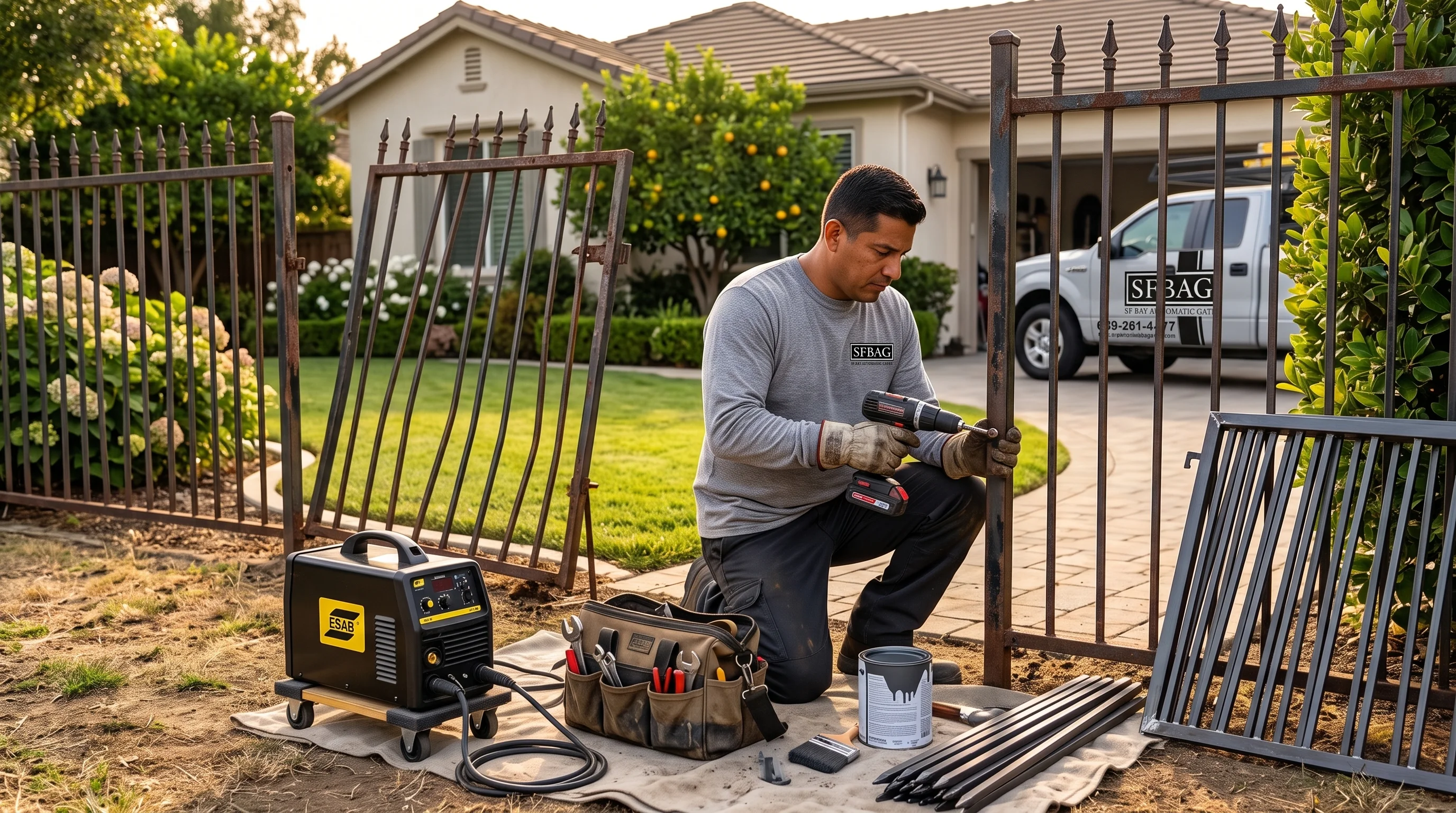
A fence tends to fade into the background of daily life, noticed mostly when it first goes up and rarely again until something about it starts to look wrong. Leaning posts, sagging sections, or peeling finish creep in gradually, and because the change happens slowly, it is easy to stop seeing a fence clearly even while it continues to decline. That gradual decline is exactly why recognizing when fence repair becomes necessary, rather than simply cosmetic, matters more than most property owners realize, and working with an experienced fence contractor at the right moment can prevent a minor issue from becoming a full replacement project.
Why a Fence Communicates More Than Boundaries
A fence does more than mark where one property ends and another begins. It signals how a property is maintained overall, and a fence in poor condition tends to suggest neglect even when the rest of the property is well cared for. Visitors, neighbors, and potential buyers often form an impression of a property based on its perimeter before they ever reach the front door, which makes fence condition a more visible indicator of overall upkeep than many property owners initially assume.
The Gap Between Cosmetic Wear and Structural Decline
Not every sign of aging on a fence indicates a serious problem. Faded color or minor surface weathering is often purely cosmetic and does not affect how well the fence performs its actual job. Structural decline is a different matter entirely, involving leaning posts, cracked or rotted boards, or panels that no longer sit securely in their frames. Learning to tell the difference between these two categories helps property owners decide whether a fence needs a simple refresh or genuine fence repair before the underlying issue worsens.
Warning Signs That Point to Structural Issues
A fence that sways noticeably in wind, posts that wobble when pushed, or sections that visibly lean away from vertical are all signs that the structural integrity of the fence has been compromised, not just its appearance. Gaps forming between boards, hardware pulling away from posts, and sections that no longer align with the rest of the fence line are further indicators that the issue extends beyond the surface and into the fence's actual framework.
What Causes Fences to Deteriorate Over Time
Understanding the underlying causes of fence decline makes it easier to catch problems early, before they progress to the point where sections need to be rebuilt rather than repaired. Several factors specific to the Bay Area climate play a consistent role in how quickly fences age.
Moisture, Soil Movement, and Post Stability
Coastal humidity and seasonal rain across the region create conditions where wood fence posts are particularly vulnerable to rot at the base, where they meet the soil. Clay-heavy soil common throughout parts of San Jose and nearby communities also expands and contracts with moisture changes, gradually shifting posts out of alignment even when the fence material itself remains structurally sound. This combination of ground movement and moisture exposure is one of the most frequent underlying causes of fences that begin to lean or separate at the joints.
Material-Specific Vulnerabilities
Wood fences face the most direct threat from moisture and insect activity, while metal fences are more likely to show corrosion at welds or fasteners, particularly in salt-tinged air near San Francisco and the surrounding bay. Vinyl and composite fencing resist rot and corrosion but can become brittle or crack under sustained UV exposure over many years. Each material ages differently, which is part of why the right repair approach depends heavily on what the fence is actually made from rather than a single universal fix.
Impact Damage and Environmental Stress
Beyond gradual wear, sudden events such as storms, fallen branches, or vehicle contact can damage a fence section abruptly rather than over time. These impacts sometimes affect a single panel while leaving the rest of the fence intact, which makes targeted repair a practical option rather than requiring a full replacement of the entire fence line.
How to Tell When fence repair Is the Right Solution
Determining whether a fence needs repair, partial replacement, or a full rebuild depends on how widespread the damage actually is and how sound the remaining structure is once the visible issues are addressed.
Assessing Damage Section by Section
A fence with isolated issues, such as one or two leaning posts or a handful of damaged boards, is generally a strong candidate for targeted repair rather than replacement, especially if the surrounding sections remain structurally sound. Fences with widespread rot, corrosion, or misalignment across multiple sections often signal a deeper problem, frequently tied to the original installation or long-term soil movement, that repair alone may not fully resolve.
When Repair No Longer Makes Sense
There is a point where continuing to patch individual sections becomes less practical than addressing the fence as a whole. A fence approaching the end of its expected lifespan, or one where the underlying framework has been compromised across most of its length, often benefits more from a broader rebuild than from repeated targeted repairs that only address symptoms one at a time.
The Role of a Professional fence contractor in Diagnosing Issues
Distinguishing between a repairable issue and one that signals a larger structural problem is not always obvious from a visual inspection alone. A professional evaluation typically involves checking post depth and stability, assessing moisture damage at ground level, and reviewing how well the fence's framework has held up compared to its visible surface condition.
Why DIY Assessments Often Miss Underlying Problems
Surface-level issues such as peeling paint or a single loose board are easy for property owners to identify and often address on their own. Underlying structural issues, particularly post rot below the soil line or foundation movement, are far harder to assess without removing sections of the fence or testing post stability directly, which is why a professional evaluation tends to catch problems that a visual inspection from the outside would miss entirely.
Timing Repairs Around Seasonal Conditions
The timing of fence repair can affect both the quality of the work and how long it lasts afterward. Attempting repairs during or immediately after heavy seasonal rain across the Bay Area often means working with saturated soil around post foundations, which can make it harder to achieve a stable, long-lasting fix. Scheduling repair work during drier stretches of the year, when soil conditions are more predictable, generally produces more reliable results, particularly for post-related issues that depend on stable ground for a lasting repair.
Preventive Timing Versus Reactive Repairs
Property owners who schedule periodic fence inspections, rather than waiting for visible damage to prompt a call, tend to catch developing issues while they are still minor and inexpensive to address. This is particularly relevant across San Jose and neighboring communities, where seasonal moisture cycles create predictable stress points that show up in similar locations year after year, such as post bases and areas where fence panels meet at corners. A fence inspected on a regular schedule rarely reaches the point of widespread structural decline, since issues tend to surface and get addressed individually rather than accumulating unnoticed.
Recognizing the Right Time to Act
Fences rarely fail all at once, and the gradual nature of their decline is exactly what makes early attention so valuable. Addressing a leaning post, a section of rot, or corroded hardware while the damage is still contained tends to be far more manageable, both in scope and disruption, than waiting until the problem spreads across the entire fence line.
Property owners across the Bay Area who notice early signs of wear, whether a section that looks slightly off from the rest of the fence or hardware beginning to loosen, are generally best served by having the issue assessed sooner rather than later. Working with an experienced fence contractor to evaluate the full extent of the damage helps determine whether targeted repair will restore the fence's function or whether a more comprehensive approach is genuinely needed, and that clarity is usually what separates a manageable fix from a much larger project down the line.
A fence that continues to look neglected despite minor attempts at upkeep is often signaling something more than a cosmetic issue. Taking that signal seriously, and consulting a qualified fence contractor before the underlying structure worsens further, tends to be the difference between a straightforward repair and a project that ends up costing significantly more time and effort than it needed to.
Fences that receive attention at the first sign of trouble almost always cost less to maintain over their full lifespan than those left to decline until the damage becomes impossible to ignore. Treating early wear as useful information, rather than a problem to postpone, is ultimately what keeps a property's perimeter looking intentional rather than overlooked.