
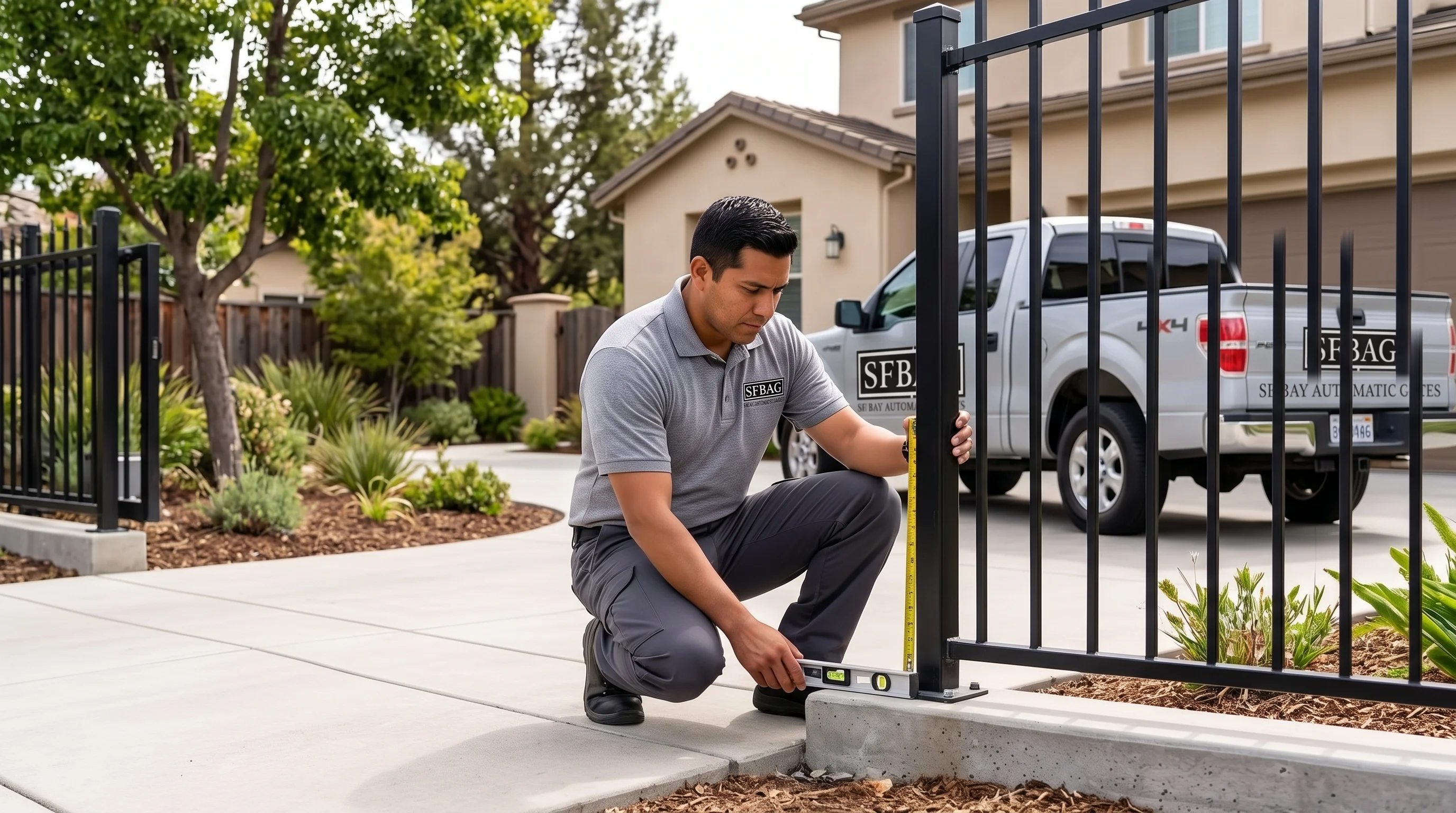
From the curb, most new fences look alike. The lines are straight, the finish is fresh, and the gate swings smoothly on the first day. Yet fence companies vary enormously in how they design, build, and support their work, and those differences decide whether a fence stays straight and secure for decades or begins to fail after a couple of winters. Property owners throughout the Bay Area who take the time to evaluate a fence contractor carefully before hiring are far more likely to end up with a perimeter that performs the way they expect.
The challenge is knowing what to look for. Quotes and timelines are easy to compare, but they reveal little about the quality of the work. The more useful signals are found in how an installer approaches the site visit, what the proposal specifies, who actually performs the work, and what happens after the job is complete. Checking these areas systematically makes it much easier to separate true professionals from those who simply install fences.
Why Fence Companies Deliver Such Different Results
Fence installation looks simple, which attracts a wide range of providers, from specialized firms with fabrication shops and trained crews to general handymen who take on fencing occasionally. Their methods reflect that range. Some set every post based on soil type and fence height, while others use the same depth everywhere. Some specify galvanized steel and stainless fasteners, while others use whatever is readily available. Some plan gates as structural elements with dedicated posts and heavy-duty hardware, while others treat them as just another panel. Each of these decisions affects durability, safety, and appearance.
Business practices also vary widely. Established fence companies typically carry proper licensing and insurance, handle permits, confirm property lines, and provide written warranties. Less established operators may skip these steps to lower the quote, shifting risk onto the property owner. Understanding these differences helps explain why two estimates for what seems like the same fence can look so different, and why the lowest number on paper is not always the most economical choice over the life of the fence.
In-House Crews Versus Subcontracted Labor
One of the most revealing questions is who will actually build the fence. Some companies employ their own trained installation crews, which usually means consistent methods, accountability, and direct supervision. Others sell the job and pass it to subcontractors whose experience and standards may vary from project to project. Subcontracting is not inherently a problem, but property owners deserve to know who will be on site, how that work is supervised, and who is responsible if something goes wrong.
Fabrication Capabilities
For metal fencing and gates, in-house fabrication can make a significant difference. Companies that weld and finish components themselves can customize designs, adjust dimensions to fit challenging sites, and control the quality of welds and coatings. Those that rely entirely on prefabricated panels may be limited in design options and in their ability to adapt to slopes, unusual openings, or existing features that need to be matched.
Why Gate Experience Matters
Gates are the most complex part of any fence, especially when they are wide, heavy, or automated. A provider experienced with gates will size posts and hinges for the load, plan for proper clearance and latch alignment, and understand the safety requirements for motorized systems. Asking specifically about gate projects, rather than fence projects in general, reveals whether that experience exists.
What to Check in the Estimate From Fence Companies
A detailed estimate is a sign of a detailed installer. The best proposals describe the fence height and length, post spacing and depth, footing design, material types and thicknesses, finish specifications, gate sizes and hardware, and any demolition or removal of existing fencing. They also clarify who handles permits, property line verification, utility locating, and cleanup. When estimates from different fence companies are laid side by side, these details make it possible to compare the actual scope of work rather than just the bottom line.
Estimates that omit these specifics leave room for substitutions and misunderstandings. If one proposal includes galvanized steel posts set in concrete while another simply lists posts without further detail, the difference in long-term performance can be substantial even if the totals are close. Asking each company to fill in missing details in writing puts every option on equal footing and exposes proposals that rely on vagueness.
The Site Visit and Measurements
How a company handles the initial visit is a preview of how it will handle the project. A thorough assessment includes measuring the perimeter, noting slopes and drainage, identifying trees and roots, checking for utilities and irrigation lines, and discussing security, privacy, pets, and access needs. Questions about how gates will be used, whether automation might be added later, and how the fence should relate to the home's architecture show that the installer is designing a solution rather than simply selling a product.
Schedules, Payment Terms, and Change Orders
The business terms of a proposal deserve the same scrutiny as the technical details. A reliable company will outline when work is expected to start, how long each phase should take, and what could cause delays, such as permit review, fabrication lead times, or wet weather. Payment terms should be tied to clear milestones rather than requiring most of the balance before materials arrive or work begins. Just as important is how changes are handled. Site conditions sometimes reveal surprises, such as buried concrete, unexpected utilities, or roots that force a post to move, and a professional contract explains how those changes will be documented and approved before any additional work is performed. Fence companies that put these terms in writing protect both sides of the agreement, while those that rely on verbal promises leave property owners with little recourse if the project drifts off course.
Evaluating Track Record and Local Experience
Experience in the specific region matters because local conditions shape how fences should be built. Expansive clay soils, hillside lots, coastal winds, and salt air all affect post setting, material selection, and finishing. Local permitting rules, HOA guidelines, and design expectations also vary from city to city. An installer who works regularly in the area understands these variables and plans for them from the outset.
Communities in the East Bay and South Bay illustrate the point well. Properties in Fremont, for example, range from hillside homes with sweeping views to flat suburban lots and commercial parks, each with different fencing needs, soil conditions, and local requirements. Fence companies with completed projects in similar settings can speak to what has worked, what has not, and how they handled challenges such as slopes, shared property lines, or HOA approvals. That kind of local track record is difficult to fake and valuable to confirm.
Reviews, References, and Completed Work
Online reviews offer a useful starting point, but patterns matter more than individual comments. Consistent mentions of punctuality, clean job sites, clear communication, and responsive warranty service are strong positive signals, while repeated complaints about unfinished work or unreturned calls deserve attention. Asking for references from recent projects, and ideally viewing a finished fence in person, provides the most reliable insight. Seeing how a fence looks several years after installation reveals far more than photos taken on completion day, particularly at the gates, where sagging, rust at the hinges, or a latch that no longer lines up will show whether the original work was done with care.
Warranties and Aftercare From Fence Companies
A warranty shows how confident a company is in its work. Property owners should understand what is covered, including materials, finishes, workmanship, and gate hardware, and for how long. It is equally important to know how warranty claims are handled and how quickly service calls are scheduled. Companies that offer maintenance guidance, periodic inspections, or repair services after installation demonstrate a commitment to the long-term performance of the fence rather than just the initial sale.
Communication During the Project
Clear communication prevents most project problems. A professional team will confirm the schedule, explain what to expect on installation day, notify neighbors when appropriate, and document any changes to the scope in writing. A single point of contact who can answer questions and resolve issues quickly makes the process far less stressful, and a final walkthrough to confirm alignment, gate operation, and cleanup ensures the project closes on a positive note.
Making the Final Decision on a Fence Contractor
Once estimates, credentials, references, and warranties have been reviewed, the right choice usually becomes clear. The best option is the provider that combines detailed planning, quality materials, skilled labor, local experience, and reliable support, even if it is not the lowest quote on the table. Across San Jose, San Francisco, and the rest of the Bay Area, that combination is what delivers fences that stay straight, gates that keep latching, and finishes that hold up to the climate.
Taking a structured approach to hiring protects both the property and the investment. By checking how each company plans, builds, and supports its work, property owners avoid the most common mistakes and gain confidence in the result long before the first post goes into the ground. For those ready to start comparing options, a conversation with an experienced fence contractor is a practical first step toward a fence built to last.