
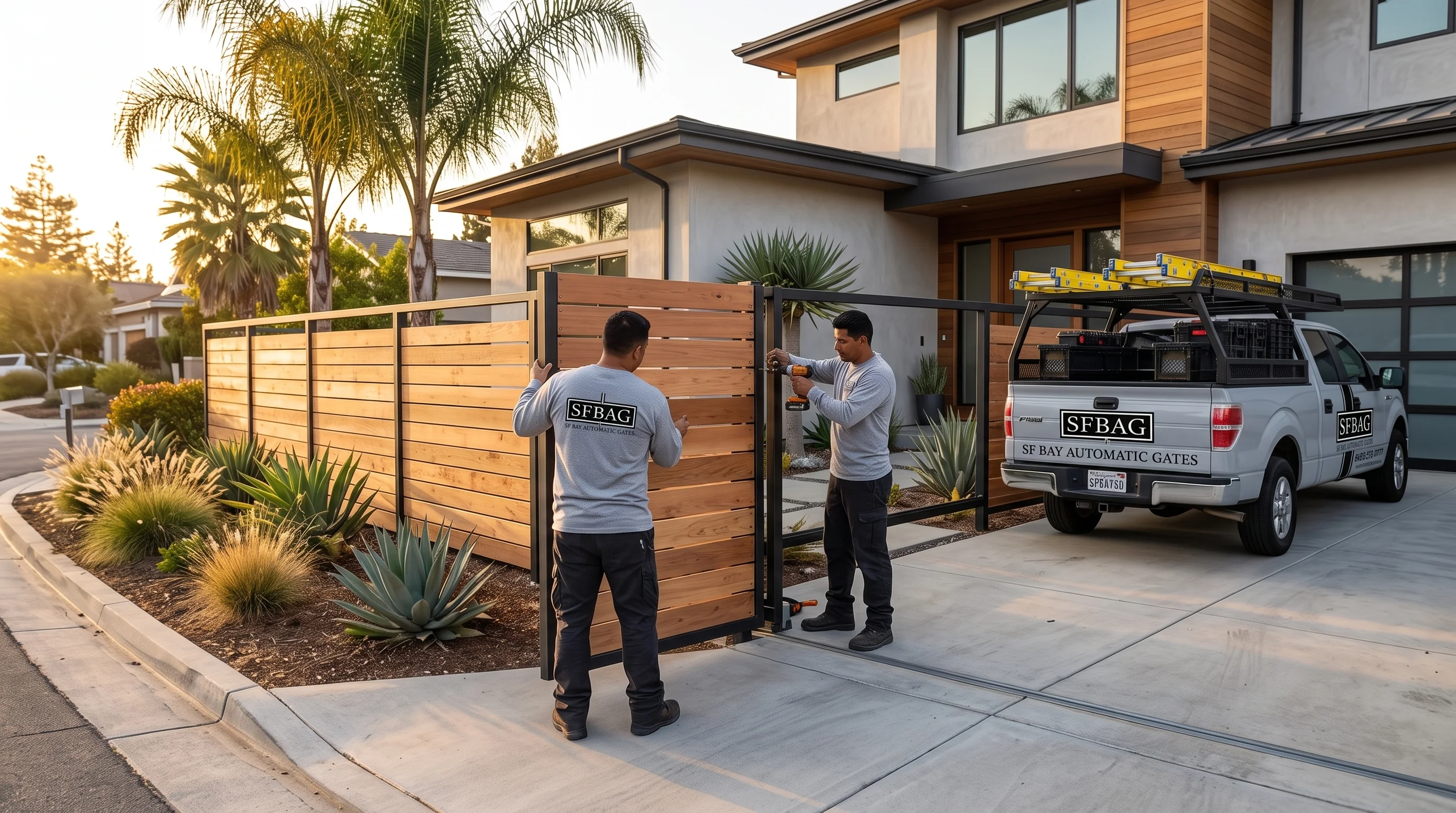
A fence serves several purposes at once, even though property owners often plan for only one of them at a time. What starts as a project focused purely on privacy can end up affecting how secure a property feels, how it looks from the street, and even how it holds up against the specific weather and soil conditions found locally. Understanding how these goals intersect before construction begins is what separates a fence that satisfies every priority from one that only addresses whichever concern happened to be top of mind during planning, and working with an experienced fence contractor from the earliest stages tends to make that balance far easier to achieve.
Why fence construction san jose Projects Require Balancing Multiple Priorities
Privacy, security, and curb appeal do not always point toward the same design decisions. A fence built purely for maximum privacy might use solid panels that block sightlines completely, but that same design can also block visibility for security cameras or make it harder for neighbors to notice unusual activity on the property. A fence designed primarily around appearance might favor a lower profile or more open style that looks appealing from the street but offers less of the physical barrier a property owner may actually be looking for.
Where Privacy and Security Goals Overlap and Diverge
Height and material solidity are the two variables most responsible for how much privacy a fence provides, but taller, fully solid fencing can also create blind spots that reduce visibility into the property from outside, which matters for anyone relying on street-level observation or camera placement as part of their overall security approach. Fencing with partial visibility, such as staggered board designs or decorative metal sections, can strike a middle ground, offering meaningful privacy while still allowing enough sightlines to support broader security awareness.
Material Choices That Support Both Goals
Certain materials naturally lend themselves to balancing these priorities better than others. Composite and vinyl panels can be engineered with varying degrees of opacity, allowing a fence to feel private without becoming a completely solid barrier. Metal fencing with vertical pickets offers strong security value through its rigidity while still allowing visibility through the gaps, making it a common choice for properties that prioritize security awareness over complete visual privacy.
How Local Conditions Shape fence construction san jose Decisions
Regional soil composition, climate, and terrain all influence which materials and construction methods perform best over time, and these factors matter as much as the aesthetic or functional goals driving the fence contractor selection process in the first place.
Soil Composition and Foundation Requirements
Clay-heavy soil common across parts of San Jose expands and contracts with seasonal moisture changes, which can gradually shift fence posts out of alignment if foundations are not set with this movement in mind. Proper post depth, adequate footing width, and appropriate concrete curing time all become more important in soil conditions like these than they might be in areas with more stable ground, and cutting corners on foundation work is one of the most common reasons fences begin leaning within just a few years of construction.
Weather Resistance for Coastal Humidity
Humidity and seasonal rain across the greater Bay Area affect how quickly different materials age. Wood requires proper sealing and periodic maintenance to resist rot, while metal components benefit from galvanizing or powder coating to prevent corrosion, particularly for properties closer to San Francisco and the surrounding bay where salt-tinged air accelerates wear on exposed metal. Vinyl and composite materials resist moisture damage more naturally, which makes them a practical option for property owners who want to minimize ongoing maintenance without sacrificing durability.
Design Choices That Improve Curb Appeal Without Sacrificing Function
Curb appeal does not have to come at the expense of privacy or security when a fence is designed thoughtfully from the start. Decorative post caps, varied board spacing, and complementary color choices can elevate a fence's appearance without compromising its structural or functional performance.
Matching Fence Style to Property Architecture
A fence that complements the architectural style of a home or business tends to enhance curb appeal far more effectively than one selected in isolation from the rest of the property. Modern homes often pair well with clean horizontal lines and minimal ornamentation, while more traditional properties tend to suit vertical picket designs or classic wood styling. This kind of alignment between fence and architecture is a detail many property owners overlook, even though it significantly affects how polished a finished property looks from the street.
Landscaping Integration and Sightline Planning
Fences installed with landscaping in mind, leaving appropriate clearance for plantings or incorporating trellis elements for climbing vines, tend to age into the property more naturally than fences installed as a standalone structure. Thoughtful sightline planning also ensures the fence does not create awkward visual obstructions from key vantage points, such as a front porch or driveway, which can otherwise undercut the very curb appeal the fence was meant to support.
What a Thorough fence contractor Process Looks Like From Start to Finish
A construction process built to balance privacy, security, and appearance typically begins with a detailed conversation about which of these priorities matters most to the specific property, since design decisions often involve tradeoffs between them. From there, a proper site assessment evaluates soil conditions, existing landscaping, and sightlines before any materials are finalized.
Site Assessment and Material Selection
This assessment stage is where many of a fence's long-term outcomes are actually decided, even though it happens before any visible construction begins. Soil testing informs foundation depth, sightline analysis shapes decisions about fence height and opacity in specific sections, and a review of the surrounding architecture guides material and style recommendations. Skipping or rushing this stage tends to produce a fence that technically meets the brief but underperforms in one of the three core priorities once it is actually in use.
Construction Sequencing and Quality Checks
Proper construction follows a sequence that allows foundations to cure fully before posts bear weight, and quality checks throughout the process, rather than only at the final walkthrough, catch alignment or spacing issues while they are still easy to correct. Fences built with this level of attention tend to perform consistently across all three priorities for years, rather than excelling in one area while quietly falling short in another.
Permitting and Boundary Considerations in San Jose
Fence height, placement, and material can be subject to local regulations that vary by municipality and even by neighborhood, particularly for fences located near property lines, corner lots, or areas with specific setback requirements. Understanding these rules before construction begins helps avoid a situation where a completed fence needs to be modified or partially rebuilt to meet code, which adds unnecessary cost and delay to a project that could have accounted for these requirements from the start.
Coordinating With Neighbors on Shared Boundaries
Fences along shared property lines often benefit from early coordination with neighboring property owners, both to confirm the exact boundary and to align on style preferences where the fence will be visible from both sides. This kind of coordination, while not always required, tends to prevent disputes later and can even open the door to shared costs when both properties benefit from the same fence line. A contractor experienced in navigating these conversations can often help frame the discussion in a way that keeps the project moving smoothly without unnecessary friction between neighbors, and having a neutral third party present these details can make the process considerably easier than negotiating boundary decisions informally between households.
Bringing Privacy, Security, and Appearance Together
The strongest fence projects treat privacy, security, and curb appeal as interconnected goals rather than competing priorities to choose between. A well-planned design accounts for how height and material choices affect sightlines, how local soil and climate conditions influence long-term durability, and how the finished fence will actually look as part of the broader property.
Property owners across San Jose and the surrounding Bay Area considering a new fence are best served by discussing all three priorities upfront with a qualified fence contractor, rather than focusing on a single goal and hoping the rest falls into place. That upfront conversation is generally what determines whether the finished fence delivers on every front or ends up requiring adjustments later to correct a design that only solved part of the original problem.
A fence built with all three priorities in mind from day one tends to require far fewer adjustments down the line, saving both time and effort compared to a fence that was designed around a single goal and later needed rework to address the priorities that were overlooked at the outset. That balance, achieved early rather than corrected later, is ultimately what defines a successful fence project from start to finish.