
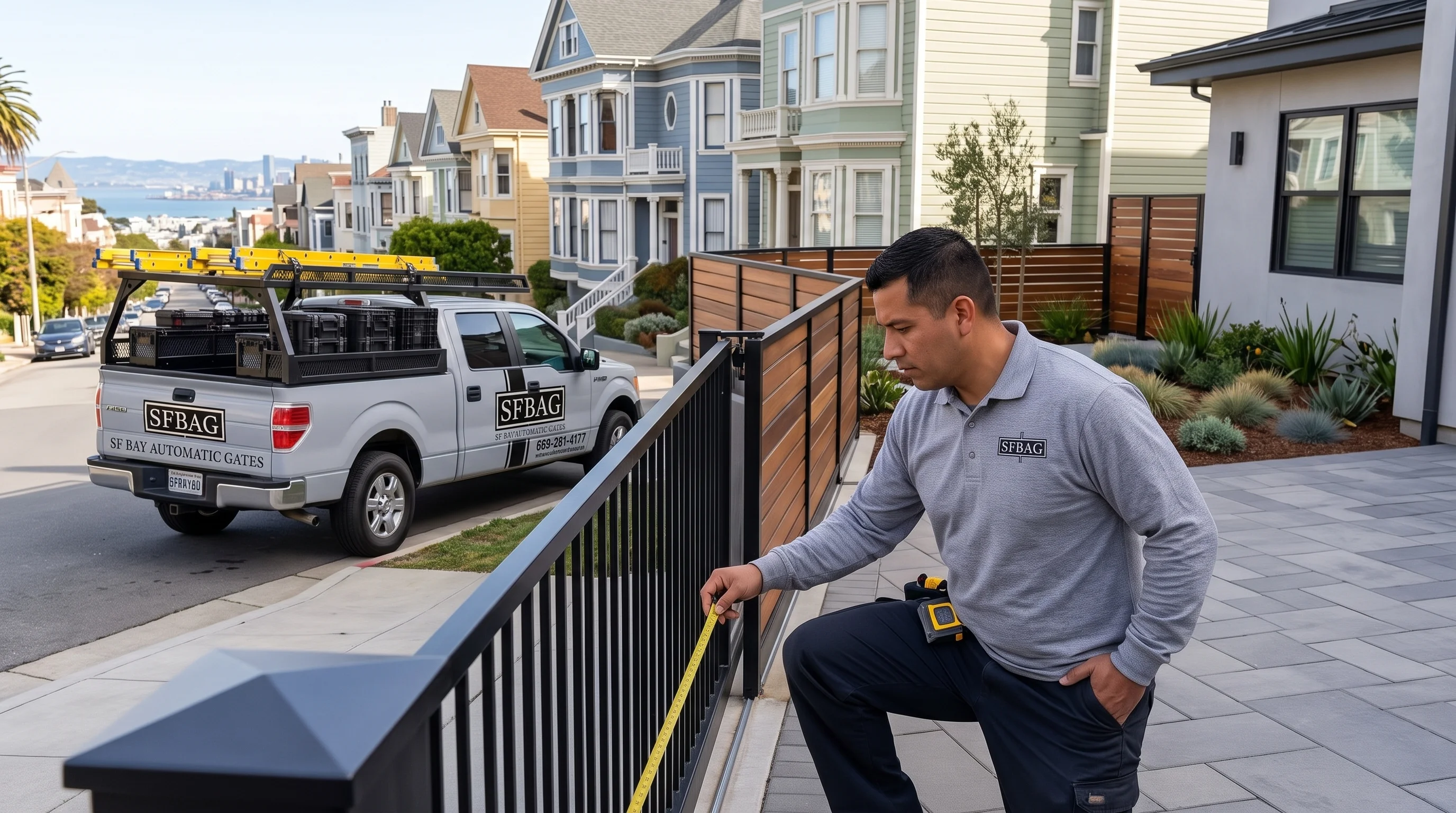
San Francisco is one of the most rewarding and most demanding places to build a perimeter. Lots are narrow, streets are steep, homes sit shoulder to shoulder, and the weather can shift from dense fog to strong sun in the same afternoon. Installing gates and fences in San Francisco, CA therefore involves far more than choosing a style and picking a height. Permits, historic guidelines, shared property lines, sloped terrain, and salt-laden air all influence what can be built and how long it will last. Property owners who start with a clear understanding of those factors, and who work with an experienced fence contractor, avoid most of the delays and surprises that tend to derail city projects.
The stakes are real on both sides. A well-planned gate can secure a garage entry, protect a side passage, or give a rear yard the privacy it lacks, all while complementing the architecture that makes the city's neighborhoods so distinctive. A poorly planned one can trigger permit problems, neighbor disputes, or early corrosion that undoes the investment within a few years. The considerations below help property owners plan with confidence before any work begins.
Why Gates and Fences in San Francisco, CA Require Local Planning
Every city has its own rules, but San Francisco combines several layers of regulation that do not always exist elsewhere in the Bay Area. Building and planning requirements can affect fence height, placement relative to the sidewalk, visibility at driveways, and materials used on street-facing facades. Many blocks fall within historic districts or areas with design guidelines, where changes visible from the street may receive additional review. These rules exist to preserve the character of neighborhoods and keep sidewalks safe, and projects that ignore them can face stop-work orders or required removal.
Local planning also matters because city properties are tightly connected to the public right-of-way. A gate that swings outward over a sidewalk, a fence that blocks a driver's view of pedestrians, or a post set on the wrong side of the property line can create liability as well as compliance issues. Careful measurement, knowledge of setback requirements, and a design that keeps every moving part within the property line help projects move smoothly from approval to completion.
Permits, Height Limits, and Historic Districts
Whether a permit is required often depends on the height of the fence or gate, its location on the lot, and whether it is attached to a structure or includes electrical work for automation. Street-facing installations generally receive closer scrutiny than rear yard fences, and properties in historic districts may need designs that respect the original architecture in materials, proportions, and detailing. Checking requirements with the city's building and planning departments before finalizing a design prevents rework. A professional who handles city projects regularly will know which approvals typically apply and how to prepare drawings that meet expectations the first time.
Property Lines and Neighbor Agreements
With homes built so close together, shared boundaries are common, and disagreements over where a fence belongs are among the most frequent sources of conflict. California law generally presumes that adjoining owners share responsibility for reasonable boundary fences, which makes early communication with neighbors both courteous and practical. Confirming the property line with a survey or reliable records before digging protects everyone involved and avoids the disruption of relocating a finished fence.
Documenting Boundary Decisions
When neighbors agree on placement, design, or how responsibilities will be shared, putting those decisions in writing helps prevent misunderstandings later, especially if either property changes hands. A simple written agreement describing the location, materials, and maintenance responsibilities provides clarity for current and future owners alike.
Site Conditions That Shape Gates and Fences in San Francisco, CA
Topography is one of the biggest factors in city installations. Steep streets and sloped lots require fences that either step down in sections or follow the grade, and gates on slopes must be designed so they clear the ground through their full swing or travel. Retaining walls, stairs, and bedrock close to the surface can complicate post setting, sometimes requiring core drilling or base plates instead of traditional footings. Narrow side passages and limited staging space also affect how materials are delivered and how the crew works without blocking sidewalks or driveways.
Neighborhood character plays a role as well. The Victorian and Edwardian homes of Noe Valley and Pacific Heights often call for ornamental ironwork with traditional details, while newer buildings in areas such as SoMa and Mission Bay tend toward clean, modern steel designs. Properties in the Sunset and the Richmond District face stronger ocean winds and heavier fog than those on the eastern side of San Francisco, which influences both structural design and material selection. Recognizing these differences from block to block leads to gates and fences that feel like a natural extension of the home.
Fog, Salt Air, and Material Choice
Marine air is especially hard on metal. Moisture and salt settle on surfaces day after day, and unprotected steel can begin to rust within a short time, particularly at welds and fasteners. Hot-dip galvanizing combined with a quality powder coat provides strong protection for steel, while aluminum offers natural corrosion resistance that makes it attractive in the foggiest parts of the city. Stainless or coated hardware, sealed tube ends, and proper drainage holes in frames help prevent water from collecting inside components. Wood can work in some settings, but it requires regular sealing and tends to weather quickly in constant moisture.
Gate Types That Work on Tight San Francisco Lots
Space is often the deciding factor in gate design. Many city homes have garage entries that open almost directly onto the sidewalk, leaving no room for a gate to swing outward and limited room for it to swing inward. Sliding gates that travel parallel to the fence line, bi-folding gates that fold in half as they open, and vertical-lift designs can all solve this problem where a traditional swing gate would not. Pedestrian gates for side passages and front entries are typically easier to fit, but they still need careful attention to swing direction and latch placement.
Security expectations in the city also influence design. Garage and side-yard gates are common targets for package theft and unauthorized entry, so solid construction, tamper-resistant hinges, and quality locks are important. Gates should be as tall as local rules allow, with minimal footholds on the street side and tight gaps at the bottom. Where visibility from the street is desirable for safety, open bar designs can still discourage entry while keeping the home's facade in view.
Automation and Access Control for City Properties
Automated gates are increasingly popular in urban settings, where they add convenience for residents and control access for multi-unit buildings. Keypads, intercoms, card readers, and smartphone-based access allow owners to manage who enters without handing out physical keys. Safety sensors and properly adjusted operators are essential, especially near busy sidewalks, and all electrical work must be done to code. Planning conduit and power during the initial installation makes adding automation later far simpler.
Realistic Timelines for Gates and Fences in San Francisco, CA
Projects in the city rarely move as quickly as similar work in the suburbs, and planning for that from the beginning keeps expectations aligned. Permit review can add several weeks when a design touches the street, a historic facade, or electrical work for automation, and custom metal gates usually need time in the fabrication shop after measurements are confirmed and drawings are approved. Finishes such as galvanizing and powder coating add another step, since components often travel to specialized facilities before returning for installation. Weather matters as well, because heavy winter rain can delay concrete work and make steep sites unsafe to work on.
Installation itself is often faster than the preparation. A straightforward fence line may take only a few days once materials are ready, while an automated gate with access control involves coordination between fabrication, electrical, and programming work. Owners who map out these stages early can schedule the project around move-ins, renovations, or tenant turnover, and they avoid the frustration of discovering mid-project that an approval or a finished component is still weeks away. Asking for a phase-by-phase schedule during the proposal stage makes gates and fences in San Francisco, CA far easier to plan around daily life.
Preparing for Installation With a Trusted Fence Contractor
A smooth project starts with gathering the right information. Property records or a survey, photos of the site, a list of goals for security and privacy, and any known neighborhood or HOA guidelines help shape a design quickly. Discussing timelines, permit responsibilities, parking and staging for the crew, and how neighbors will be informed reduces friction once work begins. For properties with automation plans, coordinating electrical requirements early keeps the project from stalling midway.
Choosing a partner with experience across San Francisco and the surrounding Bay Area makes these steps far easier to manage. Local knowledge of permits, weather, terrain, and architectural styles translates into designs that are approved, built, and enjoyed without costly surprises. Property owners preparing to install gates and fences in San Francisco, CA will find that a consultation with a qualified fence contractor is the most reliable way to turn plans into a durable, attractive, and secure perimeter.