
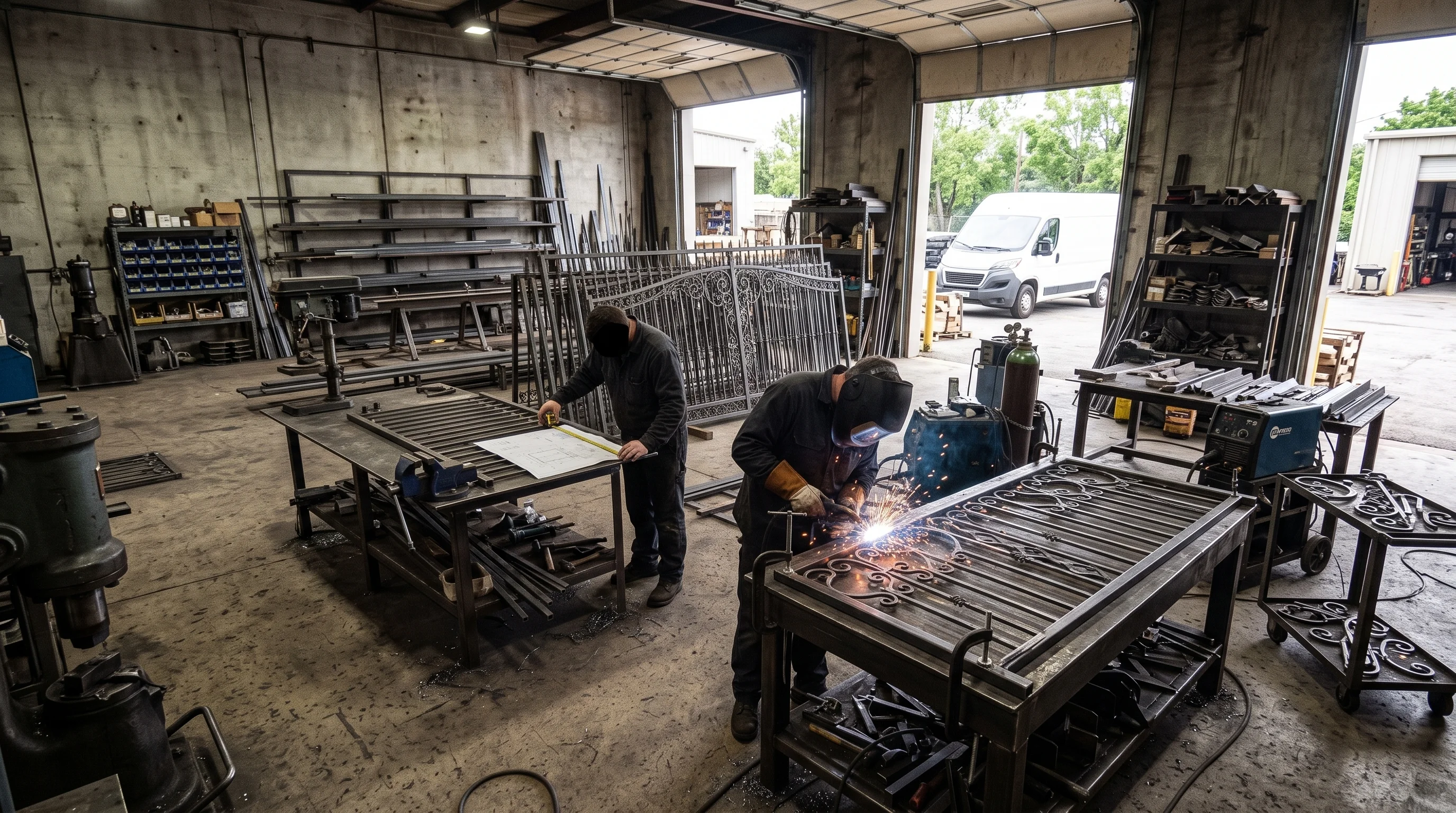
When property owners across the SF Bay Area decide to install a new fence, the materials often get most of the attention. Wood or aluminum, ornamental iron or vinyl, privacy panels or open pickets. Yet experienced property owners know that the material choice matters far less than the professional who installs it. Selecting a qualified fence contractor shapes every outcome that follows, from how long the fence lasts to how well it performs under the region's varied climate conditions.
The SF Bay Area presents a genuinely diverse set of environmental challenges. Coastal communities near the Pacific deal with salt air and persistent moisture. Inland valleys bake under summer heat and dry winds. Hillside neighborhoods face shifting soil and drainage complications. A fencing professional who understands these conditions brings knowledge that no amount of premium lumber or powder-coated steel can replace on its own.
What a Skilled Fence Contractor Actually Evaluates
Before a single post is set or a single panel is cut, a knowledgeable fencing professional conducts a thorough property assessment. This evaluation covers far more than measuring the perimeter.
Soil composition affects post depth and concrete requirements. A contractor working in the SF Bay region knows that clay-heavy soil in parts of the East Bay behaves very differently from sandy coastal ground near the water. Getting the post foundation wrong means a fence that leans, shifts, or fails within a few years regardless of how well the panels themselves are built.
Drainage patterns matter just as much. Water pooling at the base of fence posts accelerates rot in wood and corrosion in metal. A skilled fencing professional identifies these drainage risks during the initial walkthrough and adjusts the installation accordingly, whether that means raising the bottom rail clearance or recommending a specific coating for the lower sections.
Local codes and setback requirements add another layer of complexity. SF Bay municipalities vary considerably in their fencing regulations, including height limits, material restrictions near public easements, and permit requirements for certain fence types. Working with a fencing professional who knows these local rules prevents costly corrections after installation.
Material Guidance That Goes Beyond Aesthetics
One of the most practical contributions a fence contractor makes is honest material guidance. Many property owners enter the process with a preference based on appearance alone, only to Learn later that their chosen material performs poorly in their specific environment.
In SF Bay coastal zones, for instance, untreated iron can begin showing surface rust within a single rainy season. A contractor familiar with the region steers clients toward galvanized steel, marine-grade aluminum, or properly sealed and powder-coated iron. For those looking at wood options, the contractor's knowledge of which species resist moisture and insects in Northern California's climate can make the difference between a fence that lasts fifteen years and one that needs replacing in five.
Property owners in San Jose and the surrounding South Bay often have different considerations. If you are exploring quality fencing services in San Jose, the combination of warm summers and occasional heavy winter rains calls for materials and installation methods that account for both seasonal extremes.
The Difference Between Installation and Expert Installation
There is a significant gap between a fence that is physically standing and a fence that is properly installed. Expert fencing installation accounts for level ground variations, consistent panel spacing, gate alignment, and post plumb accuracy across the full length of the run.
Gate integration is one area where this distinction becomes especially clear. A fence that includes a gate, whether manual or automated, requires precise alignment from the start. If the posts supporting the gate are even slightly out of plumb, the gate will bind, sag, or fail to latch correctly over time. A professional fencing contractor plans for gate placement during the layout phase, not as an afterthought.
Across the SF Bay Area, properties that combine perimeter fencing with automatic gate systems benefit most from contractors who understand both disciplines. The fence and the gate need to work as a unified system, with consistent framing, compatible hardware, and a clean handoff between the fence line and the gate opening. For properties in San Francisco, where space is often tight and security demands are high, you can explore security-first gate and fencing options in San Francisco to understand what integrated solutions look like in an urban setting.
Why SF Bay Properties Deserve Specialized Fencing Knowledge
The SF Bay region is not a single uniform environment. It is a collection of microclimates, soil types, architectural styles, and regulatory frameworks layered across dozens of cities and unincorporated communities. A fencing professional who works consistently in this region builds up knowledge that cannot be replicated by a general contractor or a DIY approach.
That regional expertise shows up in small but meaningful decisions. Knowing which fasteners resist corrosion in foggy neighborhoods near the bay. Understanding how to anchor posts in the expansive clay soils found in parts of Contra Costa County. Recognizing when a hillside property in Marin needs a stepped fence design rather than a raked one. These are not details covered in any product brochure. They come from accumulated experience working across the SF Bay landscape.
For ranch and rural properties farther from the urban core, fencing needs shift toward perimeter security, livestock considerations, and long-span durability. The approach required for those settings differs considerably from what works in a dense residential neighborhood. Understanding that difference is part of what separates a true fencing specialist from a general installer.
Evaluating a Fence Contractor Before Committing
Property owners who take time to evaluate a fencing contractor before signing any agreement consistently report better outcomes. A few practical steps help separate qualified professionals from less experienced options.
Reviewing completed work matters more than reviewing marketing materials. Asking to see examples of fencing installed in similar SF Bay neighborhoods, or on properties with comparable terrain and material requirements, gives a realistic sense of what to expect. A contractor confident in their work should have no hesitation sharing project examples.
Understanding the contractor's process for handling permits and inspections is equally important. In many SF Bay cities, certain fence heights or materials require a permit before work begins. A contractor who dismisses this step or suggests skipping it is creating risk for the property owner, not saving them time.
Clear communication about timelines, material sourcing, and what is included in the scope of work protects both parties. Vague proposals often lead to disputes during or after the project. A professional fencing contractor provides detailed documentation before any work begins.
The full range of fencing and gate services available across the SF Bay Area reflects how varied the needs of property owners truly are. From ornamental iron to wood privacy panels, from coastal-rated aluminum to heavy-gauge steel perimeter systems, the right contractor brings both the technical knowledge and the material expertise to match the solution to the property.
Choosing well at the start of a fencing project is the single decision that influences every result that follows. The SF Bay region deserves that level of care.