
Automatic driveway gates offer convenience and security, but regular maintenance is essential to keep them functioning smoothly. Neglecting upkeep can lead to operational issues and costly repairs. A simple maintenance routine ensures gates remain reliable throughout the year, regardless of the season. SF Bay Automatic Gates emphasizes that proactive maintenance prevents the majority of problems property owners encounter with electric driveway gates, making regular care far more economical than reactive repairs addressing neglected systems.
Understanding what maintenance tasks driveway gates require and when to perform them empowers property owners to protect their investments while ensuring consistent performance. This comprehensive guide covers essential maintenance procedures, seasonal considerations, and troubleshooting approaches that keep residential driveway gates operating optimally year after year.
Understanding Your Driveway Gate System Components
Before implementing maintenance routines, property owners benefit from understanding the major components comprising automatic driveway gates. This knowledge enables more effective inspections and helps identify potential problems before they escalate into failures requiring professional driveway gate repair.
Mechanical Components
The physical structures and moving parts of driveway gates include panels or slats forming the gate itself, hinges or track systems enabling movement, wheels or rollers supporting weight during operation, and mounting hardware securing everything to posts and foundations. These mechanical elements bear the physical stresses of constant operation, environmental exposure, and occasionally accidental impacts.
Different gate configurations feature distinct mechanical arrangements. Sliding driveway gates utilize track-mounted wheels or rollers enabling lateral movement along fence lines. Swing gate configurations depend on hinges bearing full gate weight while accommodating rotational movement through opening and closing cycles. Both systems require regular attention to these critical mechanical interfaces where friction, loading, and environmental exposure combine to create wear.
Electrical and Electronic Systems
Electric driveway gates incorporate motors or operators providing motive power, control boards managing operational sequences, sensors detecting obstacles and ensuring safety, and access control devices like keypads, remote receivers, or intercom systems. These electronic components enable the automation distinguishing modern driveway gates from simple manual barriers.
Driveway gate openers represent the heart of automated systems, converting electrical energy into mechanical motion that moves gates. These units contain electric motors, gearboxes reducing speed while increasing torque, limit switches defining travel endpoints, and safety mechanisms preventing injuries from gate movement. Understanding how these operators function helps property owners recognize symptoms indicating maintenance needs or developing problems.
Power and Control Infrastructure
Supporting automated operation requires electrical infrastructure including transformers converting line voltage to operating levels, battery backup systems maintaining functionality during outages, wiring connecting components throughout systems, and sometimes solar panels and charging systems for off-grid installations. This infrastructure remains largely invisible during normal operation but requires periodic inspection ensuring reliable performance.
Lubricate Moving Parts
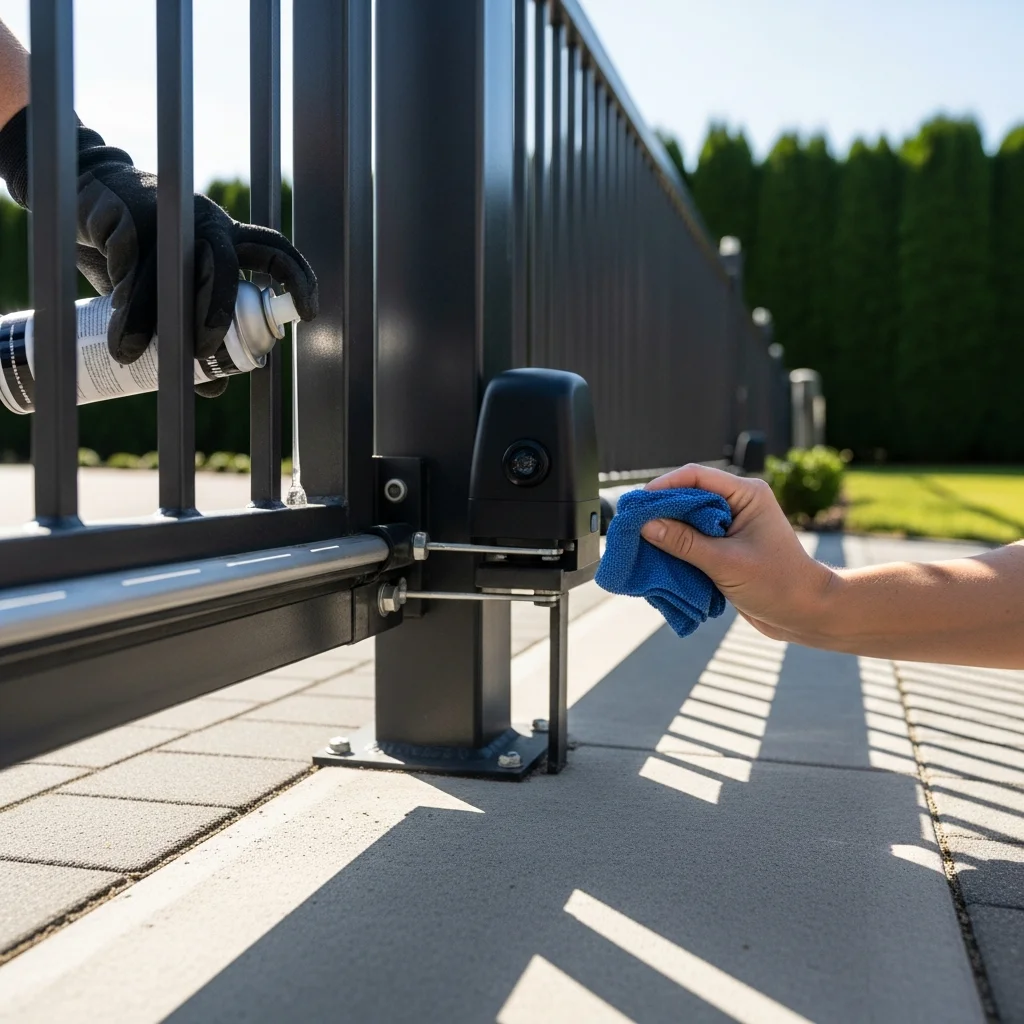
Automatic driveway gates rely on hinges, rollers, and tracks to operate efficiently. Over time, these components can become stiff or corroded, leading to jerky movements or malfunctions. Applying high-quality lubricant to these parts reduces friction and prevents wear and tear. Regular lubrication also minimizes rust risk, extending the lifespan of gate mechanical elements.
Selecting Appropriate Lubricants
Not all lubricants suit driveway gate applications equally. Temperature extremes, moisture exposure, dust contamination, and loading characteristics demand lubricants formulated for outdoor mechanical applications. General-purpose oils may provide temporary improvement but quickly wash away or attract dirt that accelerates wear rather than preventing it.
Lithium-based greases offer excellent performance for most driveway gate applications. These formulations resist water washout, maintain consistency across temperature ranges, and provide long-lasting protection reducing lubrication frequency. For high-temperature environments, synthetic lubricants maintain viscosity and protective properties where petroleum-based products would break down.
Specific components benefit from targeted lubrication approaches. Chain drives require penetrating lubricants that work between link surfaces where wear occurs. Hinges and pivot points need heavier greases remaining in place under loading. Wheel bearings in sliding driveway gates benefit from bearing greases formulated for rolling element applications. SF Bay Automatic Gates recommends property owners consult their gate specifications or professional technicians regarding optimal lubricant selections for their specific systems.
Lubrication Points and Procedures
Systematic lubrication addresses all friction points throughout gate systems. For swing gate configurations, hinges deserve primary attention, both pivot pins and surrounding bushings require adequate lubrication preventing metal-to-metal contact. Operator arm joints connecting motors to gates also need regular lubrication as these pivot points experience significant loading during operation.
Sliding gate systems require attention to wheel axles, track surfaces, and chain or belt drives. Wheels should spin freely on axles without binding or excessive play. Track surfaces benefit from light lubrication preventing rust while not attracting excessive dirt accumulation. Drive chains need penetrating lubricants applied to rollers and pins while removing excess that might collect debris.
Proper lubrication technique matters as much as lubricant selection. Excess lubrication attracts dirt creating abrasive compounds that accelerate wear rather than preventing it. Minimal quantities applied directly to friction surfaces provide optimal protection. After application, operating gates through several cycles distributes lubricants evenly while allowing excess to drain away. Wiping visible surfaces removes surplus preventing dirt accumulation.
Lubrication Frequency
Lubrication schedules depend on usage intensity, environmental conditions, and component design. Residential driveway gates operating several times daily benefit from quarterly lubrication during spring, summer, fall, and winter seasonal transitions. Gates in harsh environments, coastal areas with salt exposure, dusty agricultural regions, or locations with extreme temperature swings, may require monthly attention.
Commercial or high-traffic installations cycling dozens or hundreds of times daily need more frequent lubrication than residential applications. Monthly lubrication represents minimum intervals for these intensive-use situations. Some operators and moving parts feature sealed bearings requiring no maintenance, though these components eventually need replacement when internal lubricants degrade beyond effective service.
Visual inspection guides lubrication frequency beyond scheduled intervals. Components appearing dry, showing rust formation, or producing unusual noises during operation signal immediate lubrication needs regardless of scheduled timing. Addressing these symptoms promptly prevents damage requiring professional intervention beyond simple maintenance procedures.
Inspect Electrical Systems
The electrical components of automatic driveway gates, such as motors and sensors, require periodic inspection ensuring proper operation. Checking for frayed wires, loose connections, or wear signs, especially after storms or power surges, addresses issues promptly preventing unexpected breakdowns. Additionally, cleaning sensors and ensuring they are free of debris ensures smooth functionality even in harsh weather conditions.
Visual Electrical Inspections
Regular visual examination identifies many electrical problems before they cause operational failures. Wire insulation should appear intact without cracks, brittleness, or exposed conductors. Connections at terminal blocks and junction points deserve close inspection for corrosion, looseness, or overheating signs like discoloration. Control boxes should remain sealed against moisture intrusion with gaskets and seals in good condition.
Pay particular attention to wiring in exposed locations subject to weather, sunlight, or mechanical damage. UV radiation degrades wire insulation over time, particularly on older installations using materials less resistant to sunlight exposure. Conduit protecting wiring should remain intact without holes or openings allowing moisture or pest intrusion. Wire supports and strain reliefs preventing cable movement and stress should remain secure.
Electrical inspections after severe weather events prove particularly important. Lightning strikes, even distant ones, can damage sensitive electronics through induced currents in wiring. High winds might cause physical damage to exposed components or connections. Flooding can introduce moisture into electrical enclosures compromising insulation and promoting corrosion. Thorough inspection following storms identifies damage enabling prompt repairs before problems worsen.
Testing Electrical Functions
Beyond visual inspection, functional testing verifies electrical system health. Driveway gate openers should start and stop smoothly without unusual sounds, excessive vibration, or hesitation. Current draw testing using ammeter measurements identifies motors struggling against excessive resistance or suffering internal degradation. These diagnostic measurements reveal developing problems invisible during casual operation observation.
Safety sensors require regular testing confirming reliable obstacle detection. Photoelectric eyes should trigger gate reversal when beams are interrupted. Pressure-sensitive edges should activate upon contact. Testing under various conditions, bright sunlight, darkness, dusty environments, ensures reliable performance when protection is needed. Many modern driveway gates feature self-diagnostic capabilities logging sensor activations and faults; reviewing these logs during maintenance reveals intermittent problems.
Remote controls and access devices deserve functional verification. Receivers should respond to authorized transmitters across expected range without excessive delay. Keypad entry systems should recognize valid codes and reject invalid ones. Intercom systems require testing for clear audio and proper call routing. Exercising all access methods during routine maintenance confirms operational readiness.
Electrical Connection Maintenance
Connections represent common failure points in electric driveway gates due to thermal cycling, vibration, and environmental exposure. Periodic inspection and maintenance of electrical connections prevents problems these stresses create. Terminal blocks should be examined for corrosion with affected terminals cleaned using electrical contact cleaner and wire brushes designed for this purpose.
Connection tightness requires verification using appropriate tools, screwdrivers for screw terminals or wrenches for bolt-type connections. Torque specifications when available guide proper tightening preventing both inadequate contact and damaged terminals from over-tightening. Loose connections create resistance generating heat that accelerates deterioration in self-reinforcing failure cycles.
Dielectric grease applied to outdoor connections provides moisture protection preventing corrosion. This petroleum-based compound excludes water while maintaining electrical conductivity. Connections sealed with dielectric grease resist corrosion far better than untreated terminals, particularly in humid or marine environments where corrosion proceeds rapidly. This simple preventive measure dramatically extends connection reliability in challenging conditions.
Seasonal Maintenance Considerations
Different seasons present unique challenges requiring specific maintenance attention keeping residential driveway gates functioning reliably throughout annual weather cycles.
Spring Maintenance
Spring represents optimal timing for comprehensive maintenance addressing winter damage while preparing for increased usage during warmer months. Begin with thorough cleaning removing salt residue, road grime, and debris accumulated during winter. Power washing gates and track systems eliminates contaminants that promote corrosion and interfere with smooth operation.
Inspect structural components for damage from winter weather, ice loading, snow accumulation, or freeze-thaw cycles. Look for bent panels, loosened mounting hardware, or foundation movement. Address these structural issues promptly preventing progressive deterioration. Spring also provides opportunity for fresh lubrication removing winter moisture from moving parts while providing protection for coming months.
Landscaping maintenance around automatic driveway gates prevents vegetation from interfering with operation. Trim overhanging branches that might obstruct gates or drop debris into tracks. Clear ground vegetation growing near sensors or operator locations. Spring growth occurs rapidly; staying ahead prevents problems during peak growing season.
Summer Maintenance
High temperatures and intense sunlight present summer challenges for driveway gates. UV exposure degrades rubber and plastic components including weather seals, wire insulation, and some operator housings. Inspect these components for cracking, brittleness, or deterioration requiring replacement. Applying UV-protective treatments to vulnerable components extends service life in sun-exposed locations.
Heat affects electrical components, potentially causing control boards and motors to overheat. Ensure adequate ventilation around operators and control boxes. Clear debris from cooling vents and verify fans in climate-controlled enclosures function properly. Excessive heat stress reduces electronic component lifespan and can cause operational failures during hottest periods.
Dust accumulation accelerates during dry summer months. Regular cleaning prevents buildup on sensors, track surfaces, and mechanical components. Particular attention to photoelectric sensors ensures reliable obstacle detection despite dusty conditions. Track cleaning prevents abrasive particle accumulation that accelerates wheel wear in sliding driveway gates.
Fall Maintenance
Autumn preparation addresses challenges approaching winter months present. Leaf accumulation in tracks and around wheels requires regular removal throughout fall season. Decomposing vegetation creates slippery residue interfering with traction and operation. Establish regular cleaning schedules during heavy leaf-fall periods preventing accumulation.
Inspect weather seals and control box gaskets before winter weather arrives. Damaged seals allow moisture intrusion that becomes problematic when temperatures drop below freezing. Replacing compromised seals during fall prevents winter problems from moisture and cold. Apply fresh lubricant formulated for cold weather operation ensuring continued functionality despite temperature drops.
Battery backup systems deserve particular attention during fall maintenance. Test batteries under load verifying adequate capacity for winter power outages when backup operation proves most critical. Replace aging batteries before winter rather than discovering inadequate capacity during actual outages. Clean battery terminals removing corrosion that impedes charging and discharging.
Winter Maintenance
Winter presents the most challenging operating conditions for custom driveway gates in many climates. Snow and ice require prompt clearing from tracks and gate surfaces preventing operational problems. Avoid using metal tools that might damage gate finishes or surfaces; plastic shovels and brooms work effectively without causing harm.
Ice accumulation in tracks or on wheels prevents proper operation. Warming techniques like heated cables installed in tracks or temporary heat application using safe methods remove ice without damaging components. Chemical ice melters should be selected carefully as some formulations accelerate corrosion on metal components. Calcium chloride generally proves safer for gate applications than sodium chloride rock salt.
Reduce operational strain during extreme cold by allowing gates additional time to complete cycles. Cold temperatures increase lubricant viscosity and reduce battery capacity, both factors affecting performance. Avoid forcing gates when movement appears difficult; investigate and address causes rather than overstressing operators. Monitor current draw during cold weather operation identifying motors struggling against cold-thickened lubricants or ice accumulation.
Safety System Verification
Modern driveway gates incorporate multiple safety features protecting users from injuries. Regular verification ensures these critical systems function reliably when needed.
Obstacle Detection Testing
Photoelectric sensors creating invisible beams across gate openings should trigger immediate gate reversal when interrupted. Test these sensors monthly by breaking beams while gates close, verifying prompt reversal. Clean sensor lenses removing dirt, spider webs, or moisture that might interfere with beam transmission or detection.
Pressure-sensitive edge sensors should activate upon contact with obstacles. Test by pressing edges during gate closing, confirming immediate reversal. Inspect edge sensor materials for damage, wear, or degradation requiring replacement. Weather exposure deteriorates these rubber or vinyl components over time; replacement before complete failure maintains protection.
Operator force sensing provides another safety layer detecting abnormal resistance indicating obstructions. Many driveway gate openers include adjustable force limits requiring proper calibration. These limits should stop and reverse gate movement when encountering resistance simulating vehicles or people without being so sensitive that normal operation triggers false activations.
Emergency Release Function
Manual release mechanisms allow gate operation during power failures or operator malfunctions. Test emergency releases regularly verifying smooth engagement and disengagement without excessive force. These mechanisms should operate intuitively in emergencies; clear instructions posted near release locations ensure users can operate them when needed.
After testing releases, verify gates reengage with operators properly. Some systems require specific sequences returning to automated operation. Understanding these procedures prevents situations where gates remain disengaged after power restoration. SF Bay Automatic Gates provides detailed instructions for emergency operations specific to installed systems.
Visual Warning Systems
Many modern driveway gates include warning lights and audible signals alerting nearby people to gate movement. These safety features deserve regular testing confirming visibility and audibility. Replace burned-out bulbs or LEDs promptly. Verify audible warnings remain loud enough for reliable notification in noisy environments.
Troubleshooting Common Issues
Understanding common problems and their solutions helps property owners address minor issues before requiring professional driveway gate repair services.
Gates Not Responding to Commands
When gates fail to respond to remote controls or keypads, systematically check potential causes. Verify power supply to operators and control systems. Check circuit breakers and GFIC outlets for trips. Test batteries in remote controls replacing weak batteries. Ensure receivers have power and proper LED status indications.
If power appears normal but gates remain unresponsive, check safety sensors. Many systems prevent operation when sensors detect faults. Verify photoelectric beams align properly and sensor connections remain secure. Clean sensor lenses and check for damaged wiring between sensors and control boards.
Unusual Noises During Operation
New or changed sounds during gate operation signal developing problems requiring attention. Grinding noises suggest inadequate lubrication or damaged bearings. Clicking sounds may indicate loose chains, worn sprockets, or failing limit switches. Squealing often signals belt slippage or inadequate lubrication.
Investigate noise sources promptly before minor issues escalate into major failures. Apply appropriate lubrication to suspected friction points. Inspect for loose hardware, worn components, or misalignment causing unusual sounds. Document intermittent noises helping technicians diagnose problems during service visits.
Slow or Incomplete Gate Movement
Gates moving slower than normal or failing to complete full travel indicate problems requiring investigation. Mechanical resistance from obstructions, misalignment, or inadequate lubrication forces operators to work harder potentially leading to premature failure. Check tracks for debris, verify wheel condition, and ensure proper lubrication throughout systems.
Electrical issues also cause movement problems. Weak batteries, voltage drops in wiring, or failing capacitors in motors reduce available power. Test voltage at operators during operation verifying adequate supply. Check battery conditions in backup systems. Measure current draw identifying motors struggling against excessive loads.
When to Call Professional Services
While regular maintenance enables property owners to address many needs independently, certain situations require professional expertise ensuring proper repairs and continued safe operation.
Complex Electrical Problems
Electrical issues beyond basic inspection and connection maintenance deserve professional attention. Circuit board failures, motor winding damage, and complex wiring problems require diagnostic equipment and technical knowledge beyond typical homeowner capabilities. Attempting repairs without proper expertise risks additional damage, safety hazards, or code violations.
Professional technicians possess specialized diagnostic tools identifying problems efficiently. Oscilloscopes, multimeters, and manufacturer-specific software provide insights impossible through simple observation. This diagnostic capability prevents replacing functional components while overlooking actual failure causes, approach saving both time and money compared to trial-and-error part replacement.
Structural Damage
Significant structural damage from accidents, weather, or deterioration requires professional assessment and repair. Bent frames, cracked welds, or compromised mounting points affect safety and operation. Qualified technicians evaluate structural integrity determining whether repairs suffice or replacement becomes necessary. Improper structural repairs create hazards and liability exposure justifying professional involvement.
Comprehensive System Upgrades
Modernizing older driveway gate installations with current technology, enhanced safety features, or improved access control benefits from professional design and implementation. Integration with smart home systems, addition of video intercom capabilities, or conversion to solar power involves complexities best handled by experienced professionals. These upgrades transform basic gates into sophisticated access control systems providing enhanced security and convenience.
SF Bay Automatic Gates provides comprehensive maintenance services for property owners preferring professional management of their automatic driveway gates. Service agreements ensure regular attention while priority response for issues maintains reliable operation. Professional maintenance combined with owner awareness of system condition optimizes both performance and longevity, protecting investments in these valuable property features.
Regular maintenance keeps residential driveway gates functioning reliably through all seasons and conditions. The systematic approach outlined above, routine lubrication, electrical inspection, seasonal preparation, safety verification, and appropriate professional involvement, ensures gates provide years of dependable service. Property owners investing modest time and attention to preventive maintenance enjoy convenience and security these systems provide while avoiding costly repairs from neglected systems.