
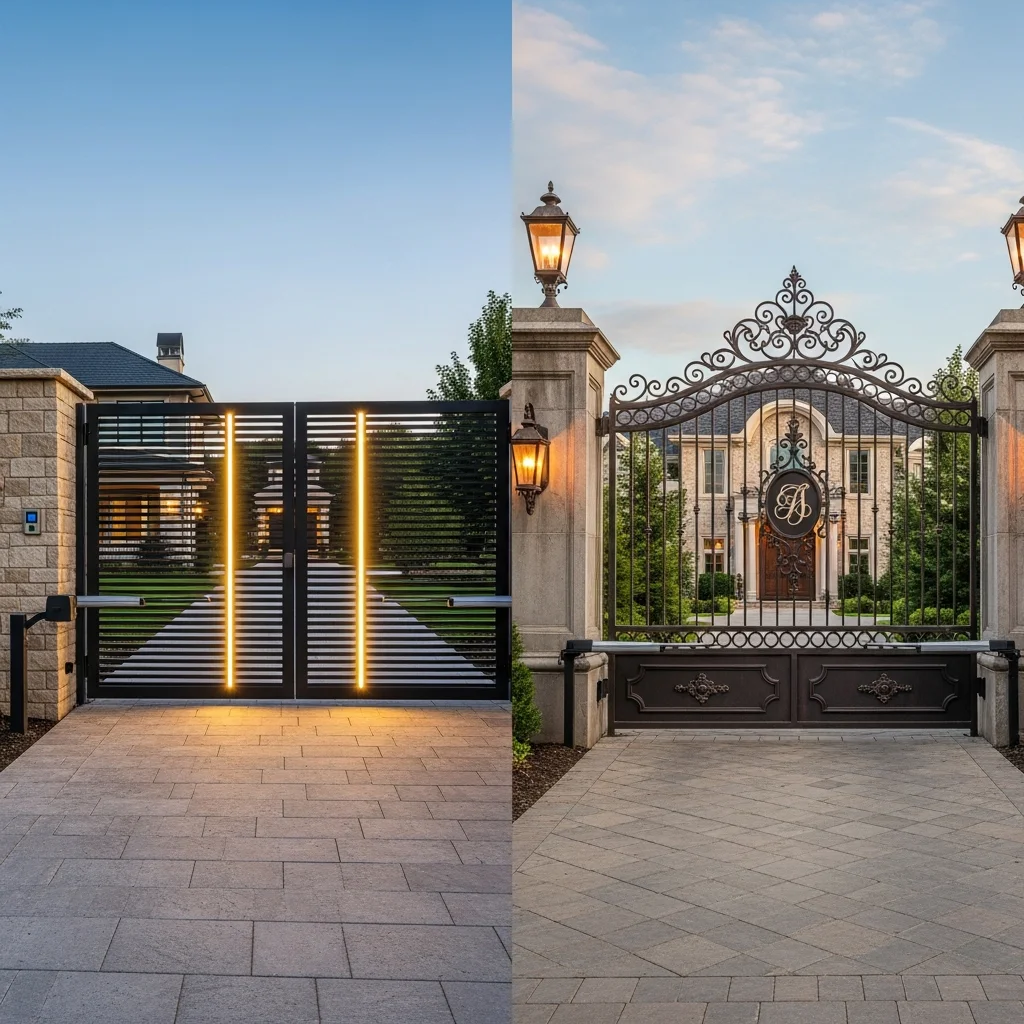
Choosing the perfect driveway gate is crucial for enhancing property security and curb appeal. Different styles cater to various needs and preferences, making it important to understand the benefits and aesthetics each type offers. SF Bay Automatic Gates specializes in helping property owners navigate these choices, ensuring selections align with functional requirements, architectural styles, and budget considerations.
The decision regarding driveway gate installation involves multiple factors beyond simple aesthetics. Operational mechanisms, material durability, maintenance requirements, automation capabilities, and long-term costs all influence which gate style ultimately delivers the best value. Understanding how different configurations perform across these dimensions enables informed decisions that property owners remain satisfied with for years to come.
Understanding Driveway Gate Operational Styles
Before examining specific materials and designs, understanding fundamental operational mechanisms helps narrow choices to configurations that work within property constraints and operational preferences.
Swing Gates: The Classic Choice
Swing gates are a timeless choice, offering a classic look that complements many architectural styles. These gates open like doors, either inward or outward, making them ideal for properties with ample driveway space. Swing gates can be made from wood, iron, or aluminum, providing versatility in design. Their elegant appearance adds touches of sophistication to traditional and contemporary homes alike.
The operational simplicity of residential driveway gates with swing mechanisms contributes to their enduring popularity. Single swing gates work well for narrower driveways, while double swing configurations create impressive entries for wider approaches. The opening direction, inward versus outward, depends on driveway layout, traffic patterns, and available clearance space.
Automatic driveway gates with swing operation require adequate clearance arcs throughout opening and closing cycles. Properties with vehicles parked near gate locations may find swing configurations impractical as gates sweep through spaces vehicles might occupy. Uphill driveways present challenges for inward-opening swing gates since panels may strike pavement surfaces. These spatial considerations make swing gates better suited to properties with generous clearance areas and relatively level terrain.
The visual impact of swing gates opening to welcome visitors creates ceremonial entry experiences that sliding configurations cannot replicate. This theatrical quality makes swing gates particularly appealing for properties emphasizing grandeur and traditional elegance. Custom driveway gates featuring swing operation can incorporate elaborate designs, decorative hardware, and architectural details that enhance property character while providing security.
Swing Gate Automation and Hardware
Electric driveway gates with swing operation utilize articulated arm operators or underground hydraulic systems. Articulated arms mount visibly on gate posts, connecting to gate panels through mechanical linkages. These systems prove reliable and economical though somewhat visible. Underground operators conceal mechanisms below ground level, preserving clean aesthetic lines but requiring more complex installation and higher costs.
Hinge quality dramatically affects swing gate longevity and operational smoothness. Industrial-grade hinges with sealed bearings support heavy gates while requiring minimal maintenance. Adjustable hinges enable fine-tuning alignment as gates settle over time. Locking mechanisms integrated with swing gate automation provide security when gates close, preventing forced entry attempts.
Sliding Gates: Space-Efficient Security
For homes with limited space, sliding gates are an excellent option. These gates slide horizontally along tracks, which is perfect for driveways on slopes or areas with limited clearance. Sliding gates are typically more secure than swing gates, as they are more difficult to force open. Available in materials like steel, wood, and vinyl, sliding gates can suit both modern and traditional aesthetics.
Sliding driveway gates eliminate clearance arc requirements that restrict swing gate installations. Gates travel parallel to fence lines, consuming minimal space regardless of panel size. This space efficiency makes sliding configurations ideal for urban properties, sloped driveways, and locations with limited clearance alongside driveway approaches.
The security advantages sliding gates provide stem from their operational mechanics. Track-mounted systems with substantial frames resist forced entry more effectively than swing gates vulnerable at hinge and latch points. Modern driveway gates with sliding operation incorporate hardened steel tracks, anti-lift mechanisms, and reinforced frames specifically engineered to withstand tampering attempts.
Cantilever sliding gates represent advanced configurations eliminating ground tracks that accumulate debris and require maintenance. These systems suspend gates above ground level using counterbalanced mechanisms, providing smooth operation without ground contact. While more expensive than standard track-mounted systems, cantilever designs deliver superior performance in harsh environments and high-security applications.
Sliding Gate Operation and Maintenance
Driveway gate openers for sliding applications use rack-and-pinion drives or chain-driven systems. Rack-and-pinion mechanisms offer precise control and powerful operation suitable for heavy gates. Chain drives provide economical automation for lighter residential installations. Both systems deliver reliable performance when properly installed and maintained.
Track maintenance represents the primary upkeep requirement for sliding driveway gates. Regular cleaning removes debris that might interfere with wheel travel or damage track surfaces. Wheel assemblies require periodic lubrication and eventual replacement as bearings wear. SF Bay Automatic Gates recommends quarterly track cleaning and annual professional service for optimal sliding gate performance.
Bi-Folding Gates: Innovative Space Solutions
Bi-folding gates combine the benefits of swing and sliding gates. They fold in the middle, allowing them to open in smaller spaces without needing full swing radius. This makes them suitable for urban environments where space is at premium. Bi-folding gates offer modern looks and can be made from various materials to match home styles.
The folding mechanism divides gate panels into sections hinged at center points. As gates open, panels fold inward or outward, reducing space requirements by approximately half compared to standard swing configurations. This compact operation enables gate installations in locations where neither swing nor sliding gates prove practical.
Automatic driveway gates with bi-folding operation appeal to properties prioritizing contemporary design aesthetics. The distinctive folding motion creates visual interest while demonstrating technological sophistication. Custom fabrication allows bi-folding gates to incorporate glass panels, laser-cut patterns, or mixed materials creating striking architectural statements.
The mechanical complexity of bi-folding systems requires more maintenance than simpler swing or sliding configurations. Multiple hinges, synchronized operators, and precise alignment all demand regular attention. Property owners should consider these maintenance implications when evaluating bi-folding gates, ensuring long-term service capabilities match the systems' sophisticated engineering.
Bi-Folding Gate Applications
Bi-folding configurations work particularly well for commercial properties and upscale residential installations where impressive entries must fit within constrained spaces. The vertical orientation of folding panels when fully open maximizes clear opening width, an advantage for properties accommodating large vehicles or equipment.
Electric driveway gates with bi-folding operation typically cost more than swing or sliding alternatives due to complex mechanical systems and custom fabrication requirements. However, for properties where spatial constraints prevent other configurations, bi-folding gates may represent the only viable automated solution. The premium investment delivers both functionality and distinctive aesthetic appeal.
Material Choices for Driveway Gates
Gate material selection influences appearance, durability, maintenance requirements, and costs. Understanding material characteristics helps property owners select options aligning with priorities and expectations.
Wrought Iron Gates: Timeless Elegance
For grand and stately entrances, wrought iron gates are excellent choices. Known for their durability and ornate designs, wrought iron gates provide senses of luxury and security. They are often used in historic or upscale properties, adding senses of grandeur and timeless elegance.
Authentic wrought iron, iron worked by hand using traditional blacksmithing techniques, creates gates of exceptional quality and unique character. However, most contemporary "wrought iron" gates actually use mild steel fabricated to replicate traditional wrought iron aesthetics at more accessible costs. These steel gates deliver comparable appearance and durability while accommodating modern manufacturing methods.
The design possibilities with iron and steel fabrication enable everything from minimalist contemporary patterns to elaborate Victorian scrollwork. Custom driveway gates in iron or steel can incorporate family crests, property initials, geometric patterns, or artistic elements reflecting personal taste. Powder coating in virtually any color protects metal while enabling coordination with property color schemes.
Security represents a primary advantage of iron and steel driveway gates. The material strength resists cutting, bending, and forced entry attempts. Substantial frameworks and solid construction create formidable barriers that deter intrusion while clearly announcing security consciousness. For properties prioritizing protection, iron and steel gates provide both physical security and psychological deterrent value.
Iron and Steel Gate Maintenance
Metal gates require periodic maintenance preventing rust and corrosion. Powder-coated finishes provide excellent protection, typically lasting 10-15 years before requiring refinishing. Regular washing removes corrosive contaminants like road salt, industrial fallout, or marine salt. Annual inspection identifies coating damage enabling touch-up before rust develops.
Properties in coastal areas or harsh climates should specify marine-grade coatings or stainless steel components resisting accelerated corrosion. These protective measures add initial costs but dramatically reduce long-term maintenance while extending gate lifespans. SF Bay Automatic Gates guides clients through material and finish selections appropriate for specific environmental conditions.
Wooden Gates: Natural Warmth and Character
If preferences lean toward natural looks, wooden gates bring warmth and charm to any property. Wood can be crafted into various designs, from rustic to contemporary, making it versatile material. However, wooden gates require regular maintenance to protect against weather damage and ensure longevity.
Wood species selection affects both appearance and durability. Cedar and redwood contain natural oils resisting decay, making them excellent choices for exterior gates. Tropical hardwoods like ipe or mahogany offer exceptional durability and beautiful grain patterns though at premium costs. Pressure-treated lumber provides economical options for painted gates where natural wood appearance isn't priority.
The aesthetic warmth wooden residential driveway gates provide creates welcoming, organic impressions impossible to replicate with metal or synthetic materials. Wood complements natural landscapes, traditional architecture, and rustic design themes. Staining preserves natural grain beauty while protecting against moisture and UV damage. Painting enables matching gates to home trim colors for coordinated appearances.
Custom wooden gates accommodate unlimited design possibilities. Vertical boards, horizontal slats, diagonal patterns, or frame-and-panel construction each create distinct visual effects. Decorative cutouts, arched tops, or integrated planters add architectural interest. The workability of wood enables artisan craftsmanship producing truly unique installations.
Wooden Gate Care Requirements
Wood maintenance represents the primary consideration when evaluating wooden driveway gates. Annual inspections identify moisture damage, insect activity, or finish deterioration. Repainting or restaining every 2-5 years maintains protection and appearance. Proper drainage around gate posts prevents ground contact that accelerates decay.
Modern wood treatments and protective coatings significantly reduce maintenance compared to untreated wood. Borate treatments prevent insect damage while moisture-resistant sealers protect against rot. These preventive treatments justify their costs through extended gate life and reduced maintenance labor.
Automation of wooden gates requires attention to weight and balance. Wood's relatively light weight compared to metal enables economical automation using residential-grade driveway gate openers. However, wood's tendency to absorb moisture and change dimensions seasonally may require periodic adjustment maintaining proper operation.
Aluminum Gates: Modern and Low-Maintenance
Aluminum gates offer modern and sleek appearances. They are lightweight, durable, and resistant to rust, making them low-maintenance. Aluminum can be designed to mimic looks of iron or steel, providing stylish and practical options for contemporary homes.
It ideal for coastal properties and humid climates where steel gates would require intensive maintenance. Aluminum never rusts, eliminating primary maintenance concern affecting ferrous metals. Powder-coated aluminum finishes last decades without deterioration, requiring only periodic cleaning maintaining appearance.
Weight advantages enable larger automatic driveway gates using less powerful operators than equivalent steel installations require. This translates to lower equipment costs and reduced energy consumption. The ease of handling aluminum during installation also reduces labor costs compared to heavier materials.
Modern driveway gates constructed from aluminum suit contemporary architectural styles through clean lines and minimalist aesthetics. Aluminum extrusions enable consistent profiles and precise tolerances creating refined appearances. Laser-cut panels can incorporate geometric patterns or custom designs adding visual interest while maintaining modern sensibilities.
Aluminum Gate Considerations
While aluminum resists corrosion excellently, its lower strength compared to steel makes it less suitable for maximum-security applications. Aluminum gates can be reinforced with internal steel structures where security is paramount, combining aluminum's corrosion resistance with steel's strength. This hybrid approach delivers optimal performance characteristics.
Aluminum's softness relative to steel means dents and dings occur more readily from impacts. Properties where vehicle contact might occur should consider this vulnerability when selecting materials. However, for most residential applications where such impacts are unlikely, aluminum's advantages outweigh this minor limitation.
Vinyl and Composite Gates: Emerging Alternatives
Vinyl and composite materials represent relatively new options for driveway gate construction. These synthetic materials resist weather, insects, and decay without requiring painting or staining. Vinyl gates replicate wood appearance through embossed textures and colors molded into materials.
It attractive for property owners prioritizing convenience over authentic material character. Vinyl never requires painting, resists moisture damage, and cleans easily. However, vinyl's appearance remains somewhat synthetic despite manufacturers' efforts creating realistic wood simulation.
Composite materials combining wood fibers with plastic binders offer compromises between natural wood and synthetic vinyl. These engineered materials provide more authentic wood appearance than pure vinyl while delivering superior weather resistance compared to solid wood. Composites resist rot, insects, and moisture while requiring minimal maintenance.
Both vinyl and composite gates work well for privacy-focused designs with solid panels. The materials' structural characteristics suit filled panel construction better than ornamental open designs where steel or iron excel. For properties prioritizing low maintenance and privacy over traditional material authenticity, vinyl and composites deserve consideration.
Matching Gate Styles to Architectural Themes
Selecting driveway gates that harmonize with home architecture creates cohesive property presentations enhancing overall aesthetic appeal and property values.
Traditional and Colonial Architecture
Traditional home styles, Colonial, Federal, Georgian, pair beautifully with swing gates featuring symmetrical designs, classic proportions, and refined details. Custom driveway gates might incorporate divided panels, decorative crossbars, or subtle ornamental elements echoing architectural trim details. Materials like painted wood or powder-coated steel in traditional colors complement these timeless styles.
Victorian and Historic Properties
Victorian architecture's ornate character finds perfect expression in wrought iron gates with elaborate scrollwork, finials, and decorative castings. These detailed gates mirror the intricate trim, brackets, and embellishments characteristic of Victorian homes. Historical accuracy matters for period properties, making custom fabrication replicating appropriate era styles valuable for maintaining architectural integrity.
Craftsman and Bungalow Styles
Craftsman architecture emphasizes natural materials, handcrafted details, and organic integration with landscapes. Wooden residential driveway gates featuring horizontal slats, exposed joinery, and natural finishes suit Craftsman aesthetics perfectly. Simpler geometric patterns and emphasis on material honesty over applied ornament align with Arts and Crafts movement principles underlying Craftsman design.
Contemporary and Modern Homes
Modern architecture's clean lines, geometric forms, and innovative materials pair with minimalist gate designs emphasizing horizontal elements and restrained ornamentation. Aluminum gates with powder-coated finishes, perforated metal panels, or glass inserts create appropriate contemporary statements. Sliding or bi-folding operational styles complement modern architectural emphasis on functional innovation.
Mediterranean and Spanish Revival
Mediterranean architecture featuring stucco walls, terra cotta roofs, and arched openings works beautifully with iron gates incorporating curved elements, decorative scrolls, and Old World details. Earth-tone powder coating colors coordinate with typical Mediterranean palettes. Swing gates with arched tops echo architectural openings characteristic of these styles.
Automation and Smart Technology Integration
Modern automatic driveway gates incorporate sophisticated technologies enhancing convenience, security, and integration with broader smart home systems.
Access Control Options
Contemporary electric driveway gates support multiple access methods accommodating different users and situations. Remote controls provide convenient access for family members. Keypad entry enables code-based access for visitors and service providers. Smartphone apps allow remote operation from any location with internet connectivity.
Advanced systems integrate biometric readers, license plate recognition, or video intercoms enabling visual verification before granting access. These technologies transform basic gates into comprehensive access control systems rivaling commercial security installations. SF Bay Automatic Gates designs integrated systems where residential driveway gates function as sophisticated security platforms.
Smart Home Integration
Modern driveway gate openers integrate with popular smart home platforms enabling voice control through virtual assistants, automation sequences coordinating with other home systems, and remote monitoring providing real-time gate status information. Gates might automatically open when authorized vehicles approach using GPS-based geofencing. Lighting systems could activate when gates open after dark. Security cameras begin recording when unexpected gate activity occurs.
These integrated behaviors enhance both convenience and security through coordinated system intelligence. The investment in smart-enabled gate systems pays dividends through enhanced functionality and future-proof design accommodating evolving technology.
Solar and Sustainable Options
Environmental consciousness increasingly influences property improvement decisions. Solar-powered electric driveway gates eliminate electrical connections while reducing carbon footprints. Modern solar charging systems provide reliable operation in most climates, storing sufficient energy for normal gate cycles even during cloudy periods.
Battery backup systems maintain gate operation during power outages regardless of primary power source. This reliability proves particularly valuable during emergencies when reliable property access and security become critical. Combining solar charging with battery backup creates completely autonomous gate systems requiring no utility connections.
Making Your Decision: Key Considerations
Choosing the right driveway gate depends on specific needs, space available, and aesthetic preferences. Each style offers unique advantages, so considering priorities, whether maximizing security, saving space, or enhancing visual appeal, guides optimal selections.
Assessing Practical Requirements
Begin by evaluating property-specific constraints and operational requirements. Measure available clearance for swing gate arcs or sliding gate travel. Assess driveway slopes that might affect operation. Consider traffic patterns and cycle frequency informing duty-cycle requirements. Document any HOA restrictions or local codes affecting gate design.
Defining Aesthetic Priorities
Determine how gate aesthetics rank relative to functional considerations. Properties where appearance is paramount justify premium custom fabrication and high-end materials. Situations where security and functionality take precedence might favor more utilitarian approaches. Most property owners seek balance, desiring gates that perform well while contributing positively to property appearance.
Budget Planning
Understand that driveway gate installation costs vary tremendously based on size, materials, automation complexity, and customization level. Basic manual gates represent minimal investment while fully automated custom installations with smart integration command premium prices. Quality materials and professional installation deliver value through longevity and reliable performance justifying higher initial costs.
SF Bay Automatic Gates provides detailed consultations helping property owners understand options across all price ranges, ensuring selections align with budgets while meeting essential requirements. Financing options often make premium installations accessible despite higher upfront costs.
Long-Term Value Assessment
Consider total ownership costs including maintenance, energy consumption, and repair probability over expected gate lifespans. Low-maintenance materials like aluminum might cost more initially but save money over decades through reduced upkeep. Automation adds convenience value difficult to quantify but tremendously appreciated daily.
Quality installations from reputable specialists like SF Bay Automatic Gates deliver reliability and longevity that budget alternatives cannot match. The frustration and costs from failing cheap gates quickly exceed premium paid for properly engineered professional installations.
The driveway gate showdown reveals no universal "best" choice, optimal selections depend entirely on individual property characteristics, owner priorities, and budget realities. Whether choosing classic swing gates, space-efficient sliding configurations, innovative bi-folding designs, or traditional materials versus modern alternatives, informed decisions considering all relevant factors ensure satisfaction with these significant property investments for years to come.