
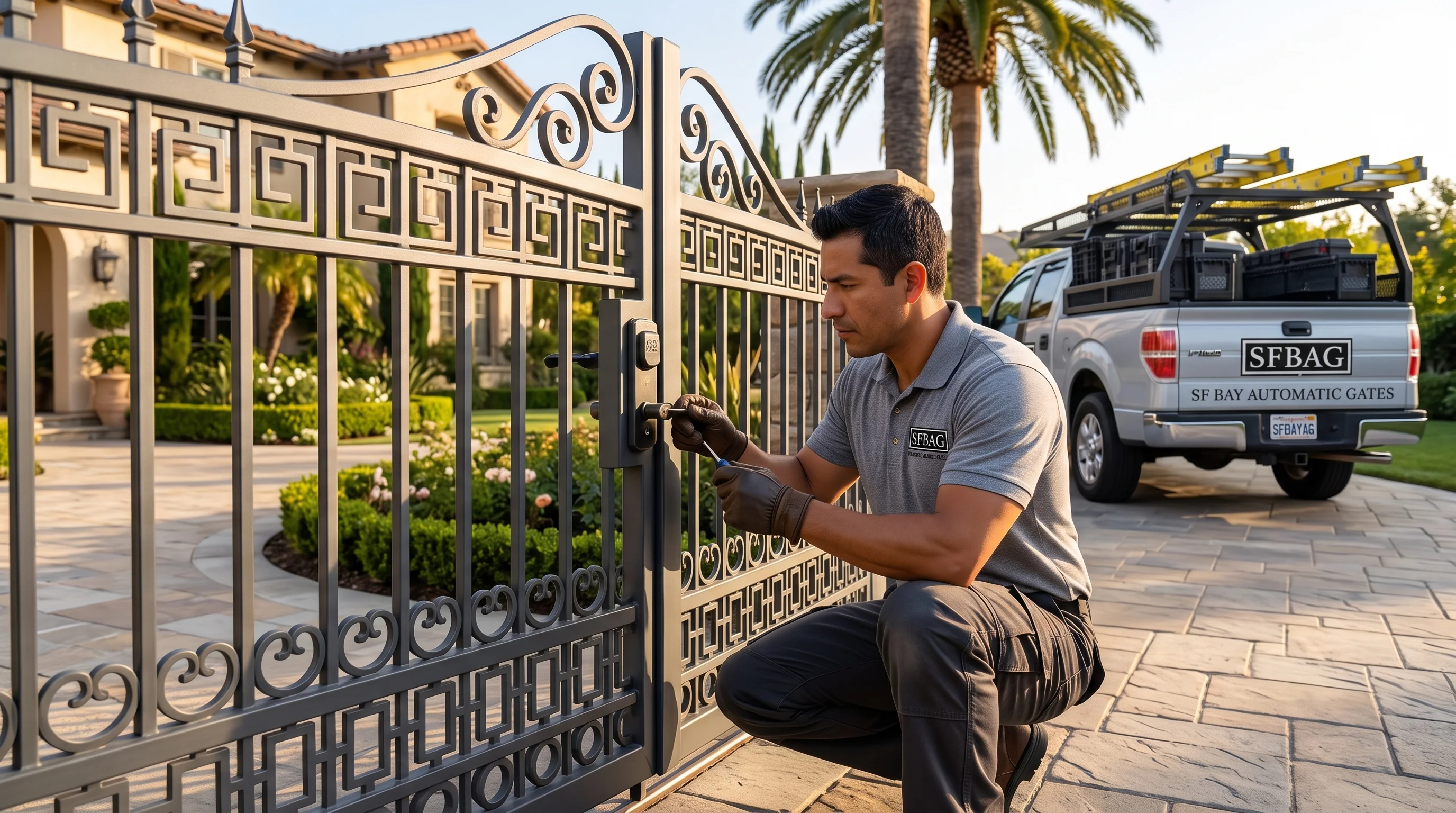
Few upgrades change a property as noticeably as a new perimeter. Metal gates and fences define the edge of a home or business, shape how visitors approach it, and influence how secure the people inside feel from the moment they arrive. Throughout the Bay Area, property owners are replacing tired wood and chain link with steel, wrought iron, and aluminum because metal holds up better against weather, resists tampering, and offers design flexibility that other materials struggle to match. Working with a skilled fence contractor makes it possible to balance security, privacy, and appearance in a single design rather than trading one priority for another.
The value comes from how the pieces work together. A strong frame means little if the gate latch can be reached from the street, and an attractive design loses its appeal if the finish starts rusting within a few years. Understanding how material, layout, and detailing affect each outcome helps property owners set clear expectations and choose a system that fits the way the property is actually used.
How Metal Gates and Fences Strengthen Security
Metal is harder to cut, bend, or break than wood or vinyl, and that resistance alone discourages many opportunistic intrusions. Welded connections eliminate the loose fasteners and weak joints that can be pried apart, while properly set posts keep the structure rigid even when someone pushes or climbs on it. For driveways and larger entries, metal gates can carry heavier frames and more substantial hardware, which allows them to be automated and paired with access control systems that record who enters and when. The result is a perimeter that does more than mark a boundary, because it actively controls movement onto the property.
Visibility is another security advantage that often gets overlooked. Open picket and bar designs allow residents, neighbors, and passing patrols to see into the property, which removes hiding spots and makes suspicious activity easier to notice. Businesses in particular benefit from fences that keep people out without blocking sightlines to storefronts, parking lots, and loading areas. Security planning therefore involves choosing where to allow visibility and where to limit it, a balance that metal gates and fences handle better than most alternatives.
Steel, Wrought Iron, and Aluminum Compared
Each metal brings different strengths. Steel offers exceptional strength and is well suited to high-security perimeters, commercial sites, and large sliding or swing gates. Wrought iron, along with modern iron fabrications that recreate its look, delivers a classic ornamental appearance with substantial weight and durability, making it a natural choice for historic homes and estate entries. Aluminum is lighter, naturally corrosion resistant, and easy to maintain, which makes it popular near the water and around pools, although it provides less resistance to force than steel. Selecting the right metal depends on the security level required, the architecture of the property, and the environmental conditions it faces.
Design Details That Deter Climbing and Forced Entry
Material is only part of the picture. Horizontal rails placed on the outside of a fence give climbers a foothold, so secure designs place them on the protected side or minimize them altogether. Gate hinges should be positioned or protected so they cannot be lifted off, and latches and locks should be mounted where they cannot be reached through the bars. Gaps at the bottom of gates need to be tight enough to prevent anyone from crawling under, and the gate frame should be as tall as the surrounding fence so it does not become the easiest way over.
Anti-Climb Tops and Bar Spacing
Spear points, finials, curved tops, and closely spaced pickets make climbing noticeably harder without giving the property a fortress-like appearance. Bar spacing also matters for safety, since openings that are too wide can allow small children or pets to squeeze through, and pool enclosures often carry specific spacing and height requirements under local codes. Getting these details right during design is far easier than modifying a finished fence later.
Privacy Options With Metal Gates and Fences
Metal is often associated with open designs, but it can provide substantial privacy when the design calls for it. Solid steel panels, horizontal slat layouts, perforated sheets, and laser-cut decorative screens can block views while still allowing airflow and light to pass through. These approaches are increasingly common on modern homes, where clean lines and privacy both matter, and on commercial properties that need to conceal equipment, storage, or service areas. The degree of privacy can also vary along the perimeter, with solid sections near outdoor living spaces and more open sections along the street.
Local context shapes these choices. Homes in Berkeley, for instance, often sit close to sidewalks and neighboring houses on hilly lots, where a well-placed privacy screen can make a small yard feel far more usable. Many neighborhoods in the East Bay and across the region also have height limits and design guidelines, so privacy needs to be achieved within those constraints rather than simply by building taller. Thoughtful layouts that combine fence height, gate placement, and screening panels often deliver more privacy than a single tall barrier ever could.
Combining Metal With Screens, Panels, and Landscaping
Mixed-material designs are one of the most flexible ways to gain privacy without losing the strength of a metal frame. Metal posts and frames can hold wood, composite, or glass infill panels, and planters or climbing vines can soften the look of an open fence over time. The key is making sure the metal structure is designed for the added weight and wind load of any infill, since solid panels catch far more wind than open bars do. When the frame is engineered with those forces in mind, the combination can last for many years with minimal upkeep.
The Visual Impact of Metal Gates and Fences
A perimeter is one of the first things people see, so it plays a major role in how a property is perceived. Well-designed metal gates and fences can frame a home's architecture, highlight landscaping, and create a strong sense of arrival at the entry. Ornamental ironwork suits traditional and Mediterranean styles, slim horizontal steel fits contemporary homes, and simple aluminum pickets work well where a clean, understated look is preferred. Matching the style to the building instead of choosing a generic catalog design is what makes a fence look like it truly belongs.
The entry deserves particular attention in that process, because the gate is where the eye lands first. A driveway gate that repeats the picket spacing, top detail, and finish of the surrounding fence reads as part of a unified design, while one that introduces a different profile or color can look like a later addition even when it is brand new. Pedestrian gates, side-yard gates, and railings along steps or retaining walls can carry the same details at a smaller scale, which ties the whole perimeter together. On properties with long frontages, subtle variations such as taller pillars at the main entry or a decorative panel at the center of a sliding gate can add emphasis without breaking the overall rhythm. Planning these relationships before fabrication begins avoids the patchwork look that often results when metal gates and fences are purchased and installed in separate phases, sometimes years apart, by different providers.
Appearance also affects value. A cohesive, well-maintained perimeter improves curb appeal, and buyers often view quality fencing and automated gates as desirable features that add both security and convenience. For commercial properties, an attractive fence communicates professionalism while protecting assets. These benefits depend on the design remaining attractive over time, which brings finishes and maintenance into focus.
Finishes That Hold Up in the Bay Area Climate
Coastal fog, salt air, winter rain, and intense summer sun make surface protection essential. Galvanizing followed by powder coating is one of the most durable approaches for steel, since the zinc layer protects against corrosion while the powder coat provides color and UV resistance. Aluminum resists rust naturally but still benefits from a quality coating to keep its color consistent. Proper surface preparation before finishing is what determines how long the coating lasts, and periodic washing and touch-ups help metal gates and fences look sharp for years.
Planning Metal Gates and Fences With the Right Fence Contractor
A successful project starts with a clear assessment of goals. Security needs, privacy preferences, architectural style, pets, children, pools, vehicle access, and local regulations all shape the right design. An experienced professional will review the site, check property lines and slopes, recommend materials and finishes suited to the location, and explain how gates can be automated now or later. Across San Francisco, San Jose, and the wider Bay Area, that local knowledge helps avoid designs that look good on paper but struggle with real site conditions.
The investment in a metal perimeter pays off when it is planned as a complete system rather than assembled piece by piece. Coordinating the fence, gates, hardware, and any access control ensures everything fits, functions, and looks consistent from one end of the property to the other. For property owners ready to improve security, privacy, and appearance at the same time, a consultation with a qualified fence contractor is the best place to begin shaping a design that serves the property for decades.